Personal tools

Integridad electoralÍndice de Integridad electoral Cuestionario sobre Integridad electoral
Esta sección analiza la importancia de la integridad en el proceso electoral, los desafíos asociados con su mantenimiento y los mecanismos para protegerlo. Para más información general sobre este tema, ir a Visión general. Esta sección aborda temas de transparencia, contabilidad y precisión en la administración electoral; así como, con el comportamiento ético de los agentes clave capaces de contribuir para mantener la integridad. Diversos mecanismos que protegen la integridad están especificados en el marco legal, respaldados por el marco institucional, y fortalecidos por la observación nacional e internacional. Finalmente, los problemas específicos de integridad y algunas soluciones para ellos están considerados en cada etapa de la administración del proceso electoral; incluyendo la administración electoral, la selección de los procedimientos electorales, la delimitación de distritos electorales, la educación electoral y el registro, tanto de candidatos/partidos y otros, campañas, medios, financiamiento, conteo de votos y resultados. Enforcement of Electoral Integrity
Enforcement is a deterrent to fraud and a guard against problems that threaten electoral integrity. Dishonest or fraudulent practices are not the only source of integrity problems. They may also result from human error or unintentional omissions. Even when there is no ill intent, these mistakes also need to be subject to corrective measures. Different institutions and mechanisms may be responsible for enforcing election integrity and legislation, as specified by each country’s legal framework. In some systems, enforcement agencies have complete institutional independence, especially the institutions dealing with criminal justice. Others work under a common institutional umbrella with the electoral policy-making or management bodies. In all cases, enforcement requires:
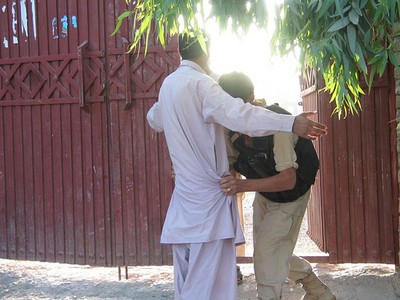
Integrity also requires that the rights of whistle-blowers, witnesses and the accused be protected. Defendants must have access to legal representation and to the information that has been gathered against them. They must also be able to present an adequate defence. These protections are discussed in Rights of the Accused and Rights of Individuals in Investigations. Prosecutors are usually government employees or elected officials, who may be sensitive to public opinion and the politics involved in the problem being investigated. Prosecutors often have discretion in determining whether the evidence warrants a prosecution and, if so, who will be prosecuted. Subjective or unlimited discretion may have an impact on integrity. Courts and (where applicable) juries determine guilt or innocence. They must be impartial. An objective judgment is based on factual evidence and the legal context, not on political affiliation, discrimination or unsubstantiated rumour. Usually, an independent judiciary is required for a hearing to be fair. The enforcement process may be subject to internal and external pressure and difficulties. A transparent system with checks and balances can protect the integrity of the enforcement process. These issues are discussed in Monitoring of Enforcement and Investigating in Difficult Circumstances. Afghan Elections 2009 (Kandahar) / Élections afghanes 2009 (Kandahar) by Canada in Afghanistan / Canada en Afghanistan is licensed under a Creative Commons Attribution-Noncommercial-No Derivative Works 2.0 Generic License. Types of OffencesElectoral legislation regulates a number of electoral processes, including not only voting procedures but also election financing, registration of candidates and political parties, the election campaign, election advertising, the media, and lobby groups. With this broad range of areas covered by legislation and regulations, there is an equally wide array of possible offences. For instance, offences may involve exerting undue influence on the vote and election results, obstructing election operations, failing to observe prescribed limits on expenses or contributions, showing partiality as an electoral administrator, running election ads during blackout periods, or using lists of electors for personal ends. The possibilities for offences are as diverse as the election activities themselves. Legislation may make distinctions according to the nature and seriousness of an offence, and may establish the degree of intent required to find someone guilty. It thus treats some offences as minor and others as serious infractions. Another distinction is between hard and fast offences, where the simple fact that an act occurred is enough to determine guilt, and offences committed with intent. Penalties are usually applied to reflect the nature and seriousness of an offence. Making a ComplaintMost investigations are undertaken in response to a complaint from an individual or findings of the oversight mechanism. In systems where investigations are not conducted by the police, investigators might not be empowered to initiate an investigation without a sworn complaint or other authorization. This is the case in Canada, where special investigators cannot start an investigation without the approval of the Commissioner of Canada Elections or the Counsel to the Commissioner. [1] A complaints process that is non-threatening and easily accessible to the average citizen can facilitate the reporting of integrity problems. Citizens should not be afraid of making a valid complaint, or be deterred from doing so because of cumbersome or intimidating procedures. In general, integrity requires the following:
Making Complaints Public Making a complaint public, or keeping it secret, may raise integrity questions. Does the public have a right to know about violations of the electoral process? If so, to what extent? If a complaint is made public, suspects may realize that they are under investigation and destroy evidence. Complainants may also be at risk for making a complaint and may want their identity protected. Whether a complaint will be made public during the investigation phase depends chiefly on the system and the nature of the complaint. In Canada, the policy is to “neither confirm nor deny the existence of a complaint and investigation and to not comment publicly on the identity of a complainant.” [2] Other systems may confirm the existence of a complaint but not comment on the ongoing investigation. Whichever approach is used, a balance needs to be found between ensuring transparency of the enforcement process and ensuring the integrity of the investigation. NOTES [1] Commissioner of Canada Elections, Investigators' Manual, 2004. [2] Ibid. InvestigationsThere are many types of investigations. The media often undertake their own investigations when reporting on allegations of voting fraud or other electoral problems. Non-governmental organizations and national election observers may also investigate problems that they encounter and may gather evidence. They then publicize the problem or hand the evidence to a government prosecutor. Citizen groups and the media can play an effective role in ensuring that integrity issues are unofficially investigated if lack of political will or resources prevents the holding of an official investigation. Unofficial investigations must respect the rights and privacy of individuals, and must not interfere with official investigations. Official Investigations Each country has its own system for investigating complaints about electoral violations. The details of the system are usually set out in legislation and regulations, which mandate a specific agency or agencies to handle these issues. In many systems, the official investigative mechanism is the police department, working with the electoral management body or oversight agency. In other systems, investigation is the responsibility of a specific office within the electoral management body—for instance, the Commissioner of Canada Elections in Canada. In federal systems, the investigative body that will handle a case is decided by which law has been broken. For example, in the United States there is an office within the Department of Justice for federal election crimes but individual states handle violations of state law. The national-level Federal Elections Commission investigates violations of campaign financing legislation. An official investigation seeks to determine whether a crime has been committed, uncover the relevant facts and consider whether the facts indicate who is responsible. If the investigation leads to a reasonable assumption of guilt, the information must be handed to the prosecuting agency. The prosecutor usually determines whether the evidence warrants further action, and who should be charged with what crime. Investigating with Integrity Election-related investigations must be conducted to the same high standards of integrity that are expected of electoral administrators and participants. In general, maintaining integrity in an investigation requires:
According to Craig Donsanto of the U.S. Department of Justice, “Most voting fraud investigations require that individual voters be interviewed concerning the circumstances under which they voted or didn’t vote. … Such interviews should generally not be conducted immediately prior to an election or while voting is taking place. This is because having federal agents interview citizens about the circumstances under which they voted (or did not vote) can easily ‘chill’ lawful voting activity by the interviewees, as well as voters similarly situated. This is not an appropriate result.” [2] It is important that an investigation not interfere with the conduct of an election or the election results. For instance, U.S. investigators are told that any evidence of election fraud should be protected until the election is over. Once a federal investigation is conducted openly in a matter concerning an election then under way, the investigation will inevitably have a major impact on the election outcome. [3] NOTES [1] Commissioner of Canada Elections, Investigators' Manual, 2004. [2] Donsanto, Craig, “The Federal Crime of Election Fraud,” Proceedings of the Third Annual Trilateral Conference on Electoral Systems, IFES, May 8–10, 1996, p. 9. [3] Ibid. Duties and Ethical Conduct of InvestigatorsInvestigators’ mandates are usually based on those of their organization and their duties within that organization. If the duties of investigators are clearly defined in the organization’s personnel and procedures manuals, some of the integrity problems associated with under- or over-zealous investigators can be avoided. Most systems have written codes of ethics for investigators since their conduct is an essential part of ensuring integrity in enforcement. Protecting Integrity in the Performance of Duties Investigators must ensure that they perform their duties with honour and integrity. To do this, they must:
Supervision Investigators usually work within the chain of command of their organization. A head investigator manages the investigative resources of the agency and is responsible for the planning, organization, execution and monitoring of the investigative process within the agency. [3] Adequate supervision is essential to ensure integrity in conducting investigations. It also ensures that investigators follow the procedures and work in accordance with the requirements of the system. NOTES [1] Commissioner of Canada Elections, Investigators' Manual, 2004. [2] Ibid. [3] Ibid. Decision to InvestigateWhen a complaint is received or an alleged offence reported, a decision must be made whether to investigate. Important integrity issues are raised by the possibility of an investigation launched in response to a complaint that might be unsubstantiated or pursued solely for political ends. To ensure integrity in the complaint review process and in the decision on whether to investigate, complaints need to be reviewed in an objective and timely manner. Reviewing means examining whether a complaint is credible, whether there are grounds to think that a law has been broken and whether an investigation is likely to identify the offender. Most systems have standard procedures and criteria for determining whether a complaint is valid and should be investigated. Integrity issues arise if the review procedures are discriminatory or allow too much individual discretion. Valid Complaint For enforcement to work as a safeguard of electoral integrity, the review process must be able to identify valid complaints and determine whether they merit investigation. Following are some of the factors used to determine whether a complaint is valid and which agency has jurisdiction over the investigation.
Most systems have developed detailed procedures for evaluating a complaint, including a timeline for responding to the complainant. Following well-designed procedures can help ensure that integrity standards are met. Reasons for Dismissing a Complaint In most systems, complaints may be dismissed for the following reasons:
Instead of being prosecuted, mistakes are usually handled through the oversight procedures of the electoral management body. A mistake that had a significant impact on the outcome of an election is usually challenged by a losing candidate through the complaints and appeals process. Policy Considerations Electoral administration policy plays a large role in determining which cases to investigate and which to dismiss. Policy should therefore be fair and non-partisan. For example, Canada has a standard for determining which cases merit investigation. The standard is set by policy and includes objective indicators. However, it also includes the subjective indicator of “public interest.” Among the public interest factors to be considered are:
Subjective indicators may give room for more discretion in the handling of complaints, allowing investigators to evaluate each case according to its circumstances. Nonetheless, some systems (e.g. Mexico’s) deliberately limit discretion and opt instead for checks-and-balances mechanisms. Determining Case Priority Policy also determines the priorities for investigation. It takes much time and effort to investigate allegations of voter fraud. Some investigative agencies do not have the human or financial resources to investigate every valid complaint. Integrity issues may arise if there are no objective criteria by which to set priorities for investigation, with the task left to the discretion of individual investigators or officials responsible for enforcement. These may be suspected of “burying” cases likely to have political ramifications or of giving priority to cases that are relatively unimportant. These types of integrity issues can be addressed effectively through monitoring and oversight of the enforcement process, as discussed in Monitoring of Enforcement. NOTES [1] Donsanto, Craig, “The Federal Crime of Election Fraud,” Proceedings of the Third Annual Trilateral Conference on Electoral Systems, IFES, May 8–10, 1996, p. 8. [2] Commissioner of Canada Elections, Investigators' Manual, 2004. Procedures and Powers of InvestigatorsAn investigation cannot be properly conducted if the investigator is denied access to witnesses, suspects and relevant documents. Investigators need to ensure that they investigate with integrity, that the rights of individuals are protected, and that evidence collected is untainted and admissible in a court of law. Most systems use the following mechanisms to ensure integrity in the investigative process. Standard Operating Procedures Enforcement agencies usually follow standard procedures in conducting investigations. Developing good procedures that are followed by investigators helps ensure that integrity mechanisms are in place for each stage of the process. Standard procedures also reduce the danger that investigators will make arbitrary or discriminatory decisions, which can give rise to integrity problems. Accurate Written Reports Accurate files and reports are essential for integrity. A written file is generally kept for each complaint, with all the information and documents collected. To handle a case, other players in the enforcement system (e.g. prosecutors) rely on the written report describing the evidence collected and the analysis performed by the investigative agency. A comprehensive written report specifies the alleged offence, the name of the offender and other information gathered during the investigation. The report may also include: an outline of the objectives of any investigation; the scope and focus of the various phases of the investigation; the names of individuals interviewed; the information and evidence obtained, and their sources; and any follow-up measure that might be considered in the decision on how to deal with the alleged offence. [1] It can be very difficult for a prosecutor to win a case if the information collected during the investigation is incomplete or inaccurately reported. Appropriate Interviews The purpose of interviewing witnesses or suspects is to obtain information and evidence. However, the information is admissible in a court of law only if investigators have complied with the procedural requirements that protect evidence and the rights of individuals. Successful interviews are usually prepared in advance. The tone of the interview must be professional, and the focus must be on the matter at issue. A good interview is an important step since it may ensure that the case is prosecuted and results in a conviction. To avoid misunderstandings and ensure that interviewees know why they are being questioned and who is questioning them, investigators usually show proof of identity and explain the reasons for asking questions. Most systems require the consent of the person to be interviewed, unless he or she is a suspect. Many systems, such as Canada’s, recommend gentle persuasion to obtain the cooperation of witnesses. [2] Investigators are particularly advised to avoid conduct that could be perceived as threatening or as offering favours in exchange for cooperation. Before questioning, most systems require suspects to be read their rights so that their statement will be admissible in court. Suspects usually have the right to be represented by an attorney during an interview. Investigators must carefully assess the impartiality and credibility of individuals who may have a bias. As required, they should determine the basis of any bias and counter it through closer questioning. Whenever possible, investigators should obtain corroboration of information from independent sources. [3] Sworn Statements It is useful to make sure that critical witnesses (including voters who acted jointly) are questioned under oath and sign their statement before charges based on their testimony are filed. A signed statement protects against any misinterpretation of testimony. It also provides protection should witnesses change their testimony in court. In most trials a sworn statement can be submitted as evidence. Accurate Interview Notes It is essential to record in writing the information obtained during the interview, especially if a signed statement is not taken. The notes from the investigation may be used as evidence for what a person said. In court, the defence counsel usually has a right to examine the investigator's notes if the investigator refers to them when testifying. The integrity of the interview also depends on the accuracy of the notes. Most investigators take word-for-word notes of the interview. In some cases, the interview may be recorded electronically; a recording is much more accurate than handwritten notes but can raise integrity questions. Some systems do not allow taping without prior permission or a warrant. NOTES [1] Commissioner of Canada Elections, Investigators' Manual, 2004. [2] Ibid. [3] Ibid. Rights of Individuals in InvestigationsIndividuals have political and civil rights that must be respected during an investigation. These rights are entrenched in each country’s constitution, legal framework or charter of rights. Although they may vary under different political and legal systems, the basic procedural rights of an individual usually include:
Because democratic countries value the rights and freedoms of individuals, infringements of procedural rights could cause any evidence thereby obtained to be inadmissible in a court of law or could even lead to dismissal of the case. Search Warrants A search warrant protects individuals from unreasonable search or seizure. Most systems require a warrant to be issued by a judge on reasonable grounds. The warrant describes the place to be searched and the items that may be seized. To obtain a warrant, the investigator must first submit an application and swear that the information contained in it is accurate. The information must include a detailed description of the alleged offence and the items to be searched for and seized, as well as valid reasons for believing that the items are in the location to be searched. The investigator must also indicate whether there are other sources by which to obtain information or whether all other sources have been exhausted. [1] NOTES [1] Commissioner of Canada Elections, Investigators' Manual, 2004. Handling of EvidenceProtecting the integrity of evidence collected is vital in law enforcement. If the integrity of the evidence is in doubt, its use in legal proceedings could be jeopardized, possibly allowing a guilty person to escape prosecution. Countries with a history of the rule of law have a framework of rules and procedures stipulating how evidence is to be collected, used and preserved. Evidence is admissible in court only if the rules have been followed. The accused have procedural rights, giving them protection from evidence tampering to manipulate the outcome of an investigation or trial. To maintain the integrity of law enforcement, it is important that anyone who handles evidence during an investigation know and follow the rules concerning the admissibility of evidence. Legal Seizure of Physical Evidence Specific procedures must be followed for obtaining physical evidence. The investigator must first inform the suspect of his or her rights. Most legal systems give suspects the right not to incriminate themselves; they are therefore not required to provide to the investigators information or evidence that could be used against them. If a suspect voluntarily provides requested documents or information even though not required to do so, the investigators are required to make sure that the suspect signs a statement waiving this right. The requirement ensures that suspects understand their rights and cannot later claim to have been deprived of them. If a person refuses to provide information, investigators may apply to a judge for a search warrant. The warrant allows investigators to search for evidence. To safeguard their integrity, the documents gathered must usually be identified. In most systems an official receipt is issued to the owner of the documents; that person has the right to keep a copy of the seized papers. Protection of Evidence Proper procedures for handling and storing evidence can help ensure that it is not tampered with or lost. Following are procedures used to protect evidence:
Seizure of Electoral Records Electoral records include the voter registry, applications for absentee ballots, tally sheets or any other document used in an election. They may also include the personnel records of the electoral management body, time sheets, official vehicle logbooks, warehouse inventory books or other documents used for election administration. The problem with seizing electoral records is that they are usually needed to hold elections. There could be a conflict between the need to collect evidence and the need to retain these documents in order to successfully complete the electoral process. In the United States, for example, seizing electoral records may deprive state authorities of materials required to tabulate, collect and certify election results. The law prohibits any action that deprives the state of records it needs to perform these tasks. [1] In other cases, the courts or other institutions may determine whether an allegation is serious enough to compromise the entire electoral process. In these cases, the need to ensure the integrity of the process through an immediate investigation might take priority over immediate election needs. NOTES [1] Donsanto, Craig, “The Federal Crime of Election Fraud,” Proceedings of the Third Annual Trilateral Conference on Electoral Systems, IFES, 1996, p. 9. Investigator's AnalysisThe investigator must determine whether the information uncovered in the investigation substantiates the complaint and whether the file should be referred to the prosecutor. This is an important responsibility and the decision should be made objectively, on the basis of facts and the evidence obtained. A biased or sloppy analysis may have a serious impact on integrity, leading perhaps to prosecution of an innocent person or allowing a guilty person to escape justice. Thorough and Objective Analysis The evidence collected should undergo comprehensive analysis to determine the facts. During analysis, investigators generally check whether:
For rejected ballots, investigators usually check whether:
Substantiated Findings In part, analyzing the evidence involves determining whether an offence was committed and whether prosecution should be recommended. The assessment requires an objective review of the facts but in some cases the investigator may have to make a subjective judgment. Because the analysis will be used to determine whether to initiate legal proceedings, it is important for the investigator to record the findings in a written report. The report enables prosecutors and other enforcement officials to make an informed decision based on factual information. This type of report generally includes a summary of the allegation, details on the identity of the suspect and the complainant, the outcome of the investigation, a list of the events and evidence, and a summary of each offence and the link to the suspects. The report also usually includes the investigator’s recommendation on whether the investigation should be continued or stopped, plus an assessment of the availability, credibility, competence and reliability of potential court witnesses, as well as mitigating circumstances if any. [3] If the investigation shows that the allegations are unsubstantiated, generally the case is closed. If the investigation shows that the allegations are substantiated, generally the complaint is referred to the prosecutor’s office. On reviewing the assessment before referring the case for prosecution, the investigator’s supervisor may find inaccurate or unsupported analysis. To ensure integrity and avoid the possibility that a supervisor might bury a case ready for prosecution, each system should have a mechanism for higher-level review if investigator and supervisor disagree on the recommendation. Safeguarding the Secrecy of the Vote When investigators examine electoral documents, including the voter registry, absentee ballots and tally sheets, they must take the measures necessary to maintain the secrecy of the vote. This is especially true in the case of an investigation of possible absentee voting fraud. Confidentiality Reports and information from ongoing investigations are usually kept confidential. This is to protect the privacy of witnesses and avoid the destruction of potential evidence, which would make the investigation less effective and weaken public confidence in the administration of justice. [4] Leaking information on an investigation during an election could also affect election results. In particular, the following information should be kept confidential until the conclusion of an investigation:
NOTES [1] Commissioner of Canada Elections, Investigators' Manual, 2004. [2] Ibid. [3] Ibid. [4] Ibid. Decision to ProsecuteThe decision to prosecute is generally made by the prosecution agency or office. This is usually a separate institution from the investigative agency; the separation is part of the checks-and-balances protecting citizens against arbitrary police action. Enforcement of election integrity requires that the decision to prosecute be made objectively on the basis of a careful review of the case, the weight of evidence and the justification for prosecution. Objective Review In deciding whether to initiate proceedings, prosecutors usually undertake a thorough and objective review of the case. The review may consider the following questions:
In some systems, prosecutors are elected officials. This can mean that they are sensitive to public opinion and the political implications of particular cases, especially election fraud cases that involve well-known personalities. Although public opinion may sway a prosecutor’s judgment, it may also make the prosecutor more accountable than police or investigators, who are public servants. If voters do not like a prosecutor’s style or work, they can vote him or her out of office at the next election. Despite the need to satisfy public opinion, prosecutors should strive to be impartial and enforce the law fairly and uniformly. Their review of a complaint and the evidence is supposed to result in an objective assessment of whether prosecution is warranted. In the case of unfair or unwarranted prosecution, recourse is available through the mechanisms provided in the monitoring of enforcement process or through the appeals process. Public Interest Factors As discussed in Decision to Investigate, some systems use the criterion of “public interest” in deciding whether a case should be prosecuted. This may be a subjective decision influenced by a country’s social and political context. For example, Elections Canada decides to prosecute taking into account factors such as the seriousness of the offence, mitigating or aggravating circumstances, the suspect’s degree of responsibility, effective alternatives to prosecution, a prosecution’s possible effect on public order or public confidence in the integrity of the law, the need for deterrence, the available resources, the time limit for initiating a prosecution, the sections of legislation that may be challenged, and the appropriateness of applying the same rules uniformly across the country. [1] In the United States, prosecutors should keep in mind that society is willing to tolerate certain behaviour in election campaigns that it does not accept in commercial, personal or government dealings. Thus, as a general rule, the crime of “voter fraud” covers only organized efforts to subvert the election process itself —that is, voter registration, the casting of ballots, vote counting and the certification of election results. This definition excludes all activities connected with political campaigning unless those activities are illegal under a specific law (e.g. stealing opponents’ campaign property, breaking into opponents’ offices or violating campaign financing laws). Criminal proceedings are rarely undertaken in response to what candidates do or say during a campaign. [2] Prosecutors must therefore consider whether administrative action or another approach might be preferable to prosecution. Alternatives to Prosecution Prosecution is a last resort in law enforcement. In Canada, the law provides other means, the most important of which are the authority to conclude compliance agreements and the ability to apply for an injunction during an election period. A compliance agreement is a voluntary arrangement between the enforcement agency and the person who has committed an offence, with the aim of achieving compliance with the law. These two measures are used to prevent as well as stop violations. [3] National or Local Prosecution Within the judicial system, case jurisdiction is determined primarily by which laws have been broken. In a federal system, where there are national, state and local laws, an election-related offence could involve a violation of both national and state law. Integrity issues may be involved in the decision about which court should handle the case. Will a politically sensitive case be treated more objectively at the national or local level? Will local prosecutors want to be involved in a politically sensitive case that could have major repercussions? Since voter fraud matters are always politically sensitive, local prosecutors (who are usually themselves elected) may hesitate to deal with them. [4] According to the U.S. Federal Elections Commission, defendants in voter fraud cases are apt to be politicians, or agents of politicians, and it is often impossible for either the government or the defendant to obtain a fair trial in a case that is about politics and is tried before a locally drawn jury. The federal court system provides for juries to be drawn from a broader geographic base, thus often avoiding this problem. [5] These issues need to be taken into consideration when determining which agency will prosecute the case and which is best placed to ensure that the proceedings are conducted with integrity. NOTES [1] Commissioner of Canada Elections, Investigators' Manual, 2004. [2] Donsanto, Craig, “The Federal Crime of Election Fraud,” Proceedings of the Third Annual Trilateral Conference on Electoral Systems, IFES, May 8–10, 1996, p. 1. [3] Landry, Raymond, “Enforcement of the Canada Elections Act,” Electoral Insight, March 2003, Elections Canada. [4] “The Federal Crime of Election Fraud,” p. 1. [5] Federal Elections Commission (U.S.), Filing a Complaint, 1998. AuditsAudits are valuable safeguards of integrity. They are part of the routine monitoring of the electoral process by the official oversight agency, as well as an investigative tool in suspicious cases or cases involving malfeasance or corruption. Audits help ensure that electoral administrators, political parties and organizations receiving public funds comply with the law and are accountable for their actions. Audits increase transparency of the electoral process by making records and audit reports available to the public. Audits may also facilitate the decision-making process for those responsible for taking corrective measures. The principle underlying audits is that the persons and institutions entrusted with handling public resources must be held accountable for using those resources efficiently and economically.1 They must also comply with the applicable public funding laws and regulations. Public officials and others managing public spending must establish and maintain effective controls to ensure that resources are safeguarded, that laws and regulations are followed, and that accurate, reliable data are obtained, maintained and disclosed. These persons must also be accountable to the public and to other levels and branches of government for their use of public resources, and must submit reports at the required time. The type of audit depends on its objectives. It can be a performance audit, assessing how effective are electoral authorities; it can be a financial audit, examining the accounting books to see how funds were utilized. It can be a combination of the two, or look solely at internal control mechanisms. Unless legal restrictions or ethical considerations prevent it, audit reports are usually made public. Performance Audits A performance audit is an objective and systematic examination with the purpose of providing an independent assessment of the performance of the electoral management or policy-making bodies, the agency that regulates campaign financing, or recipients of public financing, such as candidates and political parties. Performance audits provide information on how the process functions, identify weaknesses and areas of non-compliance, and make recommendations on how to improve the process. The facts uncovered by an audit may require electoral administrators to take corrective measures and make the process more efficient. Performance audits may check for efficiency and economic use of resources. The aim is to determine whether the electoral management body and other electoral agencies acquire, protect and use their resources (e.g. personnel, property, space) economically and efficiently. A performance audit is a powerful tool for combatting corruption and mismanagement. Financial Audits Economic corruption can become a major cause of integrity problems for an electoral management body, which usually has a large permanent staff, hires thousands of temporary workers, and procures large quantities of electoral equipment and materials. Lucrative contracts may attract offers of kickbacks or provide opportunities for misappropriation of funds. Financial audits, especially those performed on a regular basis, can detect and deter economic corruption and financial malfeasance. Financial audits determine whether reports prepared by the institution or candidate accurately present the financial position, and whether the accounting is performed in conformity with generally accepted accounting principles. Financial audits look at financial statements, financial records and banking information. They refer to internal controls to check compliance with regulations governing procurement, bidding, accounting, and reporting on grants and contracts. Objective and Accurate Audit Reports To safeguard the integrity of the process, audits should be performed objectively and without interference by other agencies or persons. Audit reports must be accurate and fair, and must include sufficient information to help the organization being audited—as well as oversight agencies and policy makers—understand the situation and determine corrective actions to be taken. Audits must be carefully documented. An audit report usually describes the objectives and scope of the audit, and the methodology used. It includes findings and recommendations for correcting problems and improving operations. It may also contain recommendations on how to improve administrative controls and enforcement. Supporting documentation is usually attached and available for public inspection. Some systems allow audit reports to be used as evidence in criminal cases, while others do not. NOTES [1] Comptroller General of the United States, Government Auditing Standards, 2003 Revision. Prosecution and Judicial ProceedingsImpunity fosters an atmosphere of unethical behaviour, fraud and corruption. Prosecution ensures that persons suspected of crimes are tried in a court of law and sentenced if found guilty. Prosecution leading to punishment holds offenders accountable for their actions and serves as a deterrent for those who might consider illegal acts. In most legal systems prosecution is a matter for criminal law, which regulates conduct by individuals and defines crimes and punishments. Most systems treat criminal acts as violations of the public order, and so the government is responsible for prosecuting these acts. Where a case is to be prosecuted is determined by which law was broken and whether it was a national, provincial or local law. The court or judicial body that will hear and decide on the case must have the authority to do so. Most criminal law systems recognize two types of offences: felonies and misdemeanours. Misdemeanours are lesser offences such as disorderly conduct, minor violations of codes of ethics and petty theft. Most cases of misdemeanour usually involve an appearance before a judge rather than a trial, with the punishment being a fine or a light jail sentence. Felonies are more serious offences, and usually involve arrest and trial. Integrity in the Administration of Justice Integrity in the administration of justice is very important for the entire electoral system. Integrity means that laws are equitable and fair. Procedures follow legal rules, and protect civil and political rights. Prosecutors, judges and juries must follow the procedures and maintain the highest level of professional and ethical behaviour. Accused persons must be afforded their procedural rights. Integrity in the administration of justice ensures that police and other enforcement authorities will not act for political or personal ends, and that the accused have the opportunity to present a defence. To safeguard integrity in prosecutions and the administration of justice, a number of conditions must be met. Lawful Arrest and Arraignment For a suspect to be arrested and charged, there must usually be evidence linking that individual to the offence. Unless the police catch someone in the act, an arrest generally requires an arrest warrant. In most legal systems, arresting officers read accused persons their rights and ask whether they understand these rights. Within a reasonable time the accused are usually taken to a court to be charged, and may then enter a plea of guilty or not guilty. This process is called arraignment. Speedy arraignment protects against arbitrary arrest, prolonged detention or unethical police tactics. The judge or court usually determines whether it is necessary for the accused to remain in custody until trial. In many legal systems an accused person is presumed innocent until proven guilty, but the presumption of innocence is not a universal norm. Still, unless the case involves a serious felony or a violent offence, most defendants are freed on bail. Some systems have a separate safeguard mechanism that enables the suspect to challenge the lawfulness of an arrest or detention. Pre-Trial Disclosure To ensure a fair trial, most systems allow the defendants and their attorneys access to the evidence that will be used against them in court. In some systems, the defence has the right of access to all evidence collected, whether or not it will be used by the prosecution. Usually the defence is not given access to the identity of confidential informants, information on confidential police techniques, government classified information, or information that would harm an ongoing investigation if disclosed. All other evidence is usually provided to the defence. Witness Protection The rights of the accused usually include the right to confront their accusers in court. This means that witnesses must appear in person and may be cross-examined in public. In countries with a history of violent conflict, some witnesses may be afraid to testify. In these circumstances they must be protected. Different legal systems offer considerably varying options for protecting witnesses. In Canada, for instance, witness identity may be protected in some cases. In the United States, the witness protection system may include relocation of witnesses and identity changes. Other systems may provide witnesses with armed bodyguards during the trial. In countries with limited resources or where the administration of justice is weak, witness protection may be more problematic. Avoiding Trial by Press A delicate balance must be struck between the public’s right to know and the right of the accused to a fair trial. Most countries do not censor the press. Sensational media coverage of a crime may make it difficult to conduct an impartial trial. Some systems sequester the jury during a trial to shield it from influence. Fair Trial Due process in most judicial systems requires that serious crimes (felonies) be tried in open court before an impartial judge with jurisdiction in the case. Depending on the system, there may also be an impartial jury. Defendants usually have the right to a speedy and public trial conducted in accordance with established judicial procedures. A public trial increases public confidence and protects the accused (and the general public) from an abusive justice system. For a criminal offence, the standard for determining guilt is usually that it be proved “beyond a reasonable doubt.” (Civil cases generally use the less strict standard of “preponderance of evidence”.) The standard of proof “beyond a reasonable doubt” is intended to protect the accused from wrongful conviction. Appropriate Sentencing and Right of Appeal The accused is usually sentenced upon being found guilty. To be fair, the sentence must fit the seriousness of the crime. The right of appeal is part of the checks and balances within the judicial system. This mechanism protects the defendant from a biased or flawed judgment. The eligible grounds for appeal are set out in each country’s legal framework and the procedures established by its courts. An appeal can be heard only by a court authorized to review the decisions of a lower court. In some countries, a higher electoral court makes the final ruling on cases involving violations of election law. In other countries, the final ruling is made by a constitutional council or a supreme court. Rights of the AccusedIn addition to the rights of individuals in investigations, persons accused of a crime are entitled to procedural protections applicable to a trial. These usually include:
Civil LitigationCriminal law regulates conduct by individuals and is enforced by the government. Civil cases fall under civil codes, which regulate conduct between individuals or private parties. Civil litigation involves a dispute between private parties, with the government providing a forum for its settlement. This may be a hearing before a judge, or trial by jury. In civil litigation cases, investigators may receive a subpoena and be required to give testimony. They must testify orally unless excused by the court, and they must answer questions to the best of their knowledge. Civil cases are usually decided on a “preponderance of evidence” standard, which is less strict than the standard of proof “beyond a reasonable doubt” applied to criminal cases. In some systems, violations of election law are brought before a civil court by the electoral management or policy-making body. In South Africa, cases are brought by the Chief Electoral Officer. In other instances, civil suits may be brought by those harmed by the electoral process. For example, a disqualified candidate may sue the electoral management body. A non-governmental organization may sue on behalf of candidates who might have been prevented from running or who received unequal treatment. Political party members may sue their party if it prevented them from running as candidates. Civil litigation is part of the checks-and-balances system. It provides a mechanism enabling individuals to assert their rights before a court. Sentences and PenaltiesA person found guilty of an offence must be punished in accordance with the law. To be fair, the ruling must fit the seriousness of the offence. Penalties are applied by law enforcement agencies, which often are the courts. Penalties vary greatly from one electoral system to another. Usually the types of applicable penalties are based on the nature and seriousness of the offence. Penalties are therefore more severe for offences defined as criminal under the penal code and less strict for offences defined as minor under electoral law. The following penalties are typical of those that may be applied for minor offences:
Serious crimes may be punished by imprisonment. Depending on the offence, the convicted felon is generally kept in custody for a set time. Electoral crimes may be punished by the loss of voting rights for a specified time. Monitoring of EnforcementOne of the issues involved in election integrity is determining who monitors those responsible for enforcing election integrity rules. As with other aspects of the process, enforcement may be tainted by partisan politics, subverted by money or power, rendered ineffective, or marred by errors. To ensure that enforcement plays its role in maintaining election integrity, it must be monitored and supervised, exactly like any other part of the process. Most legal systems have a control mechanism to ensure that the administration of justice functions as intended. Police departments have an internal affairs office mandated to investigate complaints of police misconduct. Similar mechanisms operate in most prosecution agencies. Some legal systems have judicial inspectors and a mechanism for removing a judge from a case if needed. Serious cases of judicial abuse or misconduct may result in a judge’s impeachment or removal from office. Impeachment proceedings are usually undertaken by the legislative branch; the power to impeach is one of its checks-and-balances on other branches of government. In cases of systemic abuse, where there is no credible mechanism to investigate complaints, an independent judicial commission may be established. The control mechanism within a law enforcement agency must examine complaints made against investigators. A supervisor may monitor the number of complaints and analyze their content—for example, determining whether a complaint concerns the methods used by a particular person or is partisan in nature. Systemic problems are usually referred to the internal affairs office, the solicitor general or another official oversight mechanism. Election observers and monitors also examine enforcement. Observers may be present at all stages of an activity where integrity is at issue. Their task is to ensure that:
Holding a public trial and monitoring the proceedings may promote judicial professionalism and impartiality. Lack of action by judicial authorities, particularly the courts, can be the subject of an investigation reported by an independent and responsible press. Monitoring may also cover the penalty phase to ensure that persons found guilty are punished and that the punishment fits the crime. Investigating in Difficult CircumstancesInvestigating electoral corruption is not easy. Cases may be highly politicized and may implicate well-known politicians; sometimes investigation may be dangerous. Access to witnesses and suspects may be difficult, some documents may disappear, or the investigation might target a high-ranking government official. Difficulties vary with each country’s social and political context, but they usually involve political interference, physical safety issues, or the lack of legal and judicial infrastructure. Political Interference Investigations into electoral fraud may implicate very powerful individuals who seek protection through political interference. This may take the form of threats against investigators or prosecutors to dissuade them from pursuing their investigations. Threats include transferring investigators or prosecutors to another post; denying them professional advancement or even dismissing them from their job; transferring the investigation to another body; reducing government resources provided to the agency conducting the investigation or prosecution; and pressuring other agencies to refuse to cooperate with the investigator or prosecutor. Proper monitoring of enforcement and a transparent enforcement process can help minimize the risk of political interference. Lack of Legal and Judicial Infrastructure Some countries undergoing a transition do not necessarily have the legal and judicial infrastructure required to support an investigation. There may be legislative gaps, with the result that investigators or prosecutors cannot show that a law has been broken even though it is evident that a crime has been committed. They may not have the means to conduct a proper investigation because of lack of personnel, resources or institutional experience. They may arrest an individual, only to find that the prison system cannot keep the person in custody until trial. The court system might be incapable of ensuring an impartial trial. For instance, in the 1998 Cambodian elections, the National Elections Committee was unsuccessful in its efforts to deal with violence and election law violations. Because the Committee had no law enforcement powers, cases were referred to government authorities but not one was ever prosecuted. This was not surprising given the weak legal system, which previously had proved unable to handle human rights cases effectively. [1] Building a national judicial system and the necessary infrastructure is a long-term process. Electoral authorities can start by ensuring that their election law and related legislation define the basis for free, fair and competitive elections, and contain provisions for enforcement of the law. In some countries in transition, where there is no history of an independent judiciary, the only way to compensate for gaps in the legal system may be by establishing an electoral commission with wide-ranging powers of the type normally exercised by judicial institutions. Culture of Impunity A culture of impunity may hold sway in countries that are in transition or emerging from a history of violent conflict. Such a culture takes root particularly when the law enforcement system is inoperative or virtually non-existent, when people lacking power or influence are arrested and charged while the powerful go free, and when officials have legal immunity. A culture of impunity breeds corruption and unethical practices. Failure to enforce legislation weakens the integrity of the system and the rule of law. Breaking this cycle is extremely difficult; it requires determination from civil society and strong political will. Physical Safety In a culture of impunity without a strong judicial system, honest investigators looking into corruption and criminal activities may become targets for violence or intimidation. Protecting investigators requires not only political will but the support of civil society. Safety mechanisms, such as UN-sponsored international human rights observer missions, may offer temporary support but real change will have to come from within. NOTES [1] Neou, Kassie and Gallup, Jeffrey C., “Conducting Cambodia’s Elections,” Journal of Democracy, 10(2), 1999, p. 157. Integrity in Election AdministrationThis section covers integrity issues related to the administration of the electoral process. Potential integrity issues are identified for each step of the process, from organizing election management to publishing official results. Also covered are mechanisms that may be used to address these issues. The steps examined include: election management; voting system; districting; election calendar planning; voter education; voter registration; registration of parties, candidates and lobbyists; the electoral campaign, including problems related to political financing; voting; counting; complaints and appeals; and the announcement of official results. Despite its technical nature, election administration can become politicized. Control and manipulation of the electoral apparatus are among the tools most often used by non democratic governments to ensure their continued success at the polls. In addition, electoral administrators themselves may be suspected of acting in the interests of the government, a particular party or a sector of society. Inexperienced election commissions may also be suspect. Their members may be little known or untested. Seasoned politicians and parties may take advantage of this situation. Distrust of the electoral apparatus persists in many countries and is one of the main reasons for instituting extra safeguards, particularly monitoring by political parties and civil society. Distrust may also justify changing the structure and management of an electoral administration, and has provided the impetus for creating independent commissions. In the words of one commentator: This distrustful attitude towards leviathan controlling of the organization of elections explains today’s consensus on the need to have, at the core of election management, an independent election commission, as well as . . . independent election management bodies in new democracies. [1]If participants see the electoral process as being administered by a partisan group or manipulated for partisan purposes, turnout will be low or the election results will be challenged. For an election to be perceived as free and fair, it must be administered honestly and neutrally. A well-organized, credible electoral administration can dissuade those opposed to the process from undertaking fraudulent or discriminatory actions, and can in turn build trust in elections and electoral institutions. NOTES [1] Schedler, Andreas, “Democracy by Delegation: The Path-Dependent Logic of Electoral Reform in Mexico,” paper presented to the annual meeting of the American Political Science Association, Atlanta, Georgia, September 2–5, 1999, p. 7. Election ManagementA critical element in maintaining election integrity is sound management of elections by a credible election management body. To be credible, the electoral administration has to be impartial and have the institutional capacity to hold free and fair elections. In a well-entrenched democracy, the institution that administers elections is usually taken for granted. It has delivered elections for generations; if there are problems, they generally do not call into question the credibility or legitimacy of the institution. In such a country, the electoral management body often is part of the government, and electoral administrators are civil servants. In a newer democracy, the electoral management body may still be developing and may face severe criticism and close scrutiny. In addition to the problems inherent in organizing an election, the body may have institutional problems—inadequate staffing, funding or experience. A viable solution to ensuring the impartiality required to earn voter trust is the creation of an electoral management body free of any political influence. To safeguard integrity of the electoral institution and the election process, the following are essential. Establish a credible and non-political management body Election administration is a technical task. The administrative system adopted and the institution that manages the system should therefore be technical. This is true if the electoral management body is part of the government structure and electoral administrators are civil servants; it is equally true if the electoral management body is a separate, independent agency with its own personnel and policies. However, it can be difficult to separate politics from technical administration. The politicization of election management can turn technical administration and problems into political issues. As political issues require political compromise and negotiation, reaching decisions may be time-consuming, making it impossible to stick to the electoral calendar. In extreme cases, politicization of decision making may paralyze the entire process. A neutral and non-partisan administration enhances election integrity. Even when electoral administrators are selected for their political affiliation, they are still expected to fulfill their duties in a non-partisan, non-political manner. Almost every electoral law calls for neutral administration of elections. For example, South Africa’s electoral law requires all election officers to be impartial and to exercise their powers and duties independently. Financial and institutional independence is another important factor that allows the electoral administration to work without political interference and without being beholden to special interest groups. In Mexico, the electoral reforms of the 1990s owed their success in part to rapid support for the principle of an independent electoral administration. [1] In contrast, during the 2003 legislative elections in Cambodia, the National Elections Committee was part of the Ministry of the Interior and was dominated by members of the incumbent party. This dependence fostered a climate of distrust among opposition parties and created opportunities for dishonest practices, such as intimidating people trying to register to vote and blocking attempts to file complaints against the incumbent party. [2] Create a good administrative, financial and operational system Insecurity, fraud and corruption flourish in a chaotic environment. Sound management can remove many of the opportunities for subversion or graft. An electoral administration that ensures good planning, hires qualified personnel and provides proper oversight is better positioned to safeguard election integrity. Proper financial management and audit mechanisms can contribute to maintaining financial integrity and deterring problems that might result from poor financial management. Sound and effective procurement management is also a part of maintaining election integrity when goods and resources are to be purchased. Good operational systems—based on strategic planning—facilitate work and help avoid problems. A good logistical system, for example, will help avoid problems that might arise when ballots arrive in a country but must sit at a port or air terminal because of a lack of transportation or storage. Such a system can also facilitate the tracking of sensitive materials, such as voter registration cards or ballots. Inadequate tracking will make it difficult to know whether ballots have been diverted or tampered with. Operational systems usually include mechanisms for disseminating useful information to participants in a timely and systematic manner. Parties and candidates have to know when and how to register, and how to obtain funding that might be available for campaigning. Good procedures are easier to develop if there are feedback mechanisms for swiftly identifying problems, and for receiving and systematically addressing complaints from candidates and others. Ensure effective information management With the management tools and control mechanisms provided by modern technology, electoral administrators can develop and operate effective systems that protect election integrity. A computerized voters list can help identify duplicate registrations and underage voters. A printed list eliminates the problems created by illegible handwriting, and can be posted or distributed to political parties and observers. However, for computers and other technology to be effective tools, the proper equipment and training must be available. Use adequate control and oversight mechanisms Electoral administrators are entrusted with public resources, which they are responsible for using efficiently and economically. These resources must be used in compliance with laws and regulations on the use of public assets, and with electoral legislation. The electoral management body has to ensure that it has control systems in place, properly safeguarding financial and material resources. Public disclosure of the election budget and expenditures can increase the transparency of the process and in turn can help protect the integrity of the administration. This involves ensuring that there are systems for inventorying and tracking public assets, that financial records are accurate and up to date, and that someone is mandated to enforce rules and regulations. Effectiveness will be enhanced if electoral administrators are held responsible for the actions of their staff, and if supervisors verify and certify their office’s compliance with all rules and regulations. Oversight mechanisms also require a system for receiving and dealing with complaints. The electoral management body is usually responsible for ensuring that electoral legislation and related laws are followed, and that anyone who may have broken the law is reported to the proper authorities for investigation and prosecution if warranted. Demonstrate transparency and accountability Transparency lends credibility to electoral institutions and their activities, and confers legitimacy on the elections they administer. The electoral management body can achieve transparency in several ways, including:
Transparency is valuable because it makes clear who is responsible for what. Civil servants and others entrusted with handling public resources must be accountable to the public and to other levels and branches of government for their actions, and must report on how they used public resources to conduct elections. NOTES [1] Schedler, Andreas, “Democracy by Delegation: The Path-Dependent Logic of Electoral Reform in Mexico,” paper presented to the annual meeting of the American Political Science Association, Atlanta, Georgia, September 2–5, 1999, p. 20. [2] National Democratic Institute for International Affairs, Cambodian Elections: Lessons Learned and Future Directions - A Post-Election Conference Report, February 2004. BudgetHolding an election can be costly. Staff must be recruited, trained and equipped. Offices need to be rented and set up. Voters, parties and candidates need to be registered. Voters lists and ballots have to be printed and distributed to every polling site in the country. Polling stations need to be opened and staffed. Votes must be collected and counted. All these tasks require personnel, communications systems, transportation, equipment, supplies and operating funds. Integrity Problems Caused by Lack of Funds Having an adequate budget to administer electoral law is an important factor contributing to election integrity. Lack of funds may compromise all aspects of electoral administration. The independence of the electoral management body depends on the availability of sufficient funds at the right time. Integrity problems may result from delayed or insufficient funding.
Good planning and systems can help overcome budget constraints. There are cost-effective solutions to all the problems. At the same time, elections cannot be conducted as required by law without good planning and the necessary funding. Integrity Problems Caused by the Source of Funds The source of funds may be an integrity issue. The election management body is usually funded in the government’s yearly budget. It should be allocated enough funds to hold elections as required. With an assured budget and funds available on a timely basis, the election management body will have the financial independence it needs to hold an election. In India, for example, the Election Commission’s secretariat has an independent budget set by agreement between the Commission and the Ministry of Finance. Unfortunately, some election management bodies, especially in less developed countries, have to compete for government resources and may end up with insufficient funding. Sometimes the electoral management body is allocated enough funds in the government budget, but the funds are administered through a particular ministry or government agency. The result is that the election management body becomes dependent on that organization. For the 1998 Cambodian legislative elections, funds were allocated in the government budget but were released piecemeal by the Ministry of Finance, making it difficult for the National Elections Committee to get established. Committee members started the process using their salaries to cover running costs, such as electricity bills and purchases of paper for copy machines. The international community may provide election funding to countries undergoing a transition to democracy or developing countries. Donor funding is usually conditioned on the holding of free and fair elections, and is tied to the funding cycle of each donor country. This may sometimes give rise to funding shortages at critical times. In some systems, the election management body is allowed to receive funds from other sources, such as prominent citizens or groups. However, accepting private funding may lead to the perception that money buys influence. Electoral administrators can counter misperceptions by disclosing the names of donors and ensuring that they receive no special treatment. Private funding is prohibited by law in certain countries, such as Thailand. [1] NOTES [1] Noel, Theo, advisor in the 1999 Indonesian elections, communication with Sue Nelson. Integrity Problems and SolutionsAvoiding Integrity Problems Related to Insufficient Funding The following measures can help deal with problems caused by lack of funds.
Staffing and RecruitmentThe electoral administration must have the staff it needs. Otherwise it may encounter integrity problems resulting from ignorance or mistakes. Hiring the right person for a job will make the system work better, eliminating many potential integrity problems. The right person is usually someone with professional experience, attitude and training. The right person is also honest and upholds principles of professional conduct. To create an election management body with a professional, honest and dedicated staff, the following factors should be taken into consideration. Develop a strict staffing procedure One of the first steps for an electoral management body should be to determine its internal structure and its staffing procedure. For this purpose, electoral administrators may draw up an organizational chart delineating the responsibilities of the different divisions and staff members. Most divisions of an electoral management body are formed according to the function they perform and the responsibilities they fulfill—management, internal administration (including human resources), finance, operations, legal services, technical support and public relations. Charting of staffing and working procedures can facilitate the development of a rational staffing model. A statement of clear objectives for each division and each staff member may avert integrity problems that could arise if employees are unclear about their responsibilities, and may prevent duplication of tasks. Distributing the organizational chart to all employees ensures that all know how they fit into the overall structure, how the chain of command works, what their responsibilities are, to whom they must report and how information flows through the system. An organizational chart can help maintain integrity in recruitment since it tells human resources managers how many people they need to hire, what the job requirements are for a particular position and who is the supervisor for that position. Since a chart also ranks personnel according to responsibilities, it enables each position to be classified on a professional and salary scale. If this system is adhered to, it can help ensure that qualified people are hired for the right position and receive pay commensurate with their level of work. An organizational chart may serve as a monitoring tool because it indicates the supervisor for each staff member. Staff supervision is another important element in safeguarding election integrity. Recruit through competition Integrity requires that staff be recruited on the basis of merit, not favouritism. Advertising open positions is a way of inviting applications from people with the appropriate qualifications. Enough time should be allowed for the information to circulate and for interested people to apply. Establish written personnel policies Integrity requires standardized personnel policies to ensure that all employees are treated equally and know their rights and responsibilities. Policies should be written down and distributed to all employees. Most public sector employers, including electoral administrators, place standards of professional behaviour and a code of ethics in their personnel policies. The penalties for breach of the code are usually specified. Offer competitive pay for professional staff The payroll is a significant part of an election budget and is usually kept to a minimum when funds are low. However, low pay for electoral workers can create integrity problems, such as:
Unhappy employees have been a major source of integrity problems in several elections. For example, in Haiti’s 2000 elections, election workers in northern districts refused to take training unless they received better pay. The result was that election materials could not be delivered to polling stations until the morning of the election. [1] Provide training Election workers must be properly trained so that they can act to promote integrity rather than cause integrity problems. In addition to understanding how to do their jobs, workers need to know about general integrity issues and the control mechanisms built into the system to safeguard integrity. The integrity of the process is reinforced if they can become familiar with the complaints process and are encouraged to make suggestions for improving the system. Good training can substantially reduce errors that are the cause of many integrity problems. It also helps deter attempts to subvert the system since it makes employees and employers aware of the control mechanisms in place and how to use them. Ensure supervision Effective supervision is another tool for promoting integrity and sound management. It can help ensure that employees do their jobs effectively and in the professional and ethical manner required for free, fair and credible elections. Supervisors can identify problem employees and areas, and ensure that necessary corrective measures are taken. NOTES [1] Noel, Theo, advisor in the 1999 Indonesian elections, communication with Sue Nelson. ProcurementAn election requires a great deal of equipment, materials and services. Communications and computer systems need to be acquired and installed. Millions of voter registration cards must be sent and ballots must be printed. A poorly designed purchasing system may cause many election integrity problems. Integrity Problems Related to Procurement
Integrity Safeguards Procurement problems that threaten election integrity may be avoided by using the following safeguards.
Standards The items purchased should meet minimum standards. This is particularly important for equipment that could affect election integrity. For example, standards should cover security features for voter registration cards, ballots and voting machines, as well as technical specifications to ensure that the equipment will be reliable. The standards are set out in the call for tenders and are key factors in the decision to award a contract. The electoral management body usually sets standards jointly with manufacturers of the type of equipment required plus government or independent evaluation agencies. The degree to which they work together depends on each country’s system. Electoral SystemVoting systems differ in type and their ability to safeguard electoral integrity. Each country has developed its own electoral system, based on its political history and culture. Each system has advantages and disadvantages. Concerns about electoral integrity and the type of voting system chosen may arise when a system is used to exclude a portion of the eligible population, or to deny a seat to a candidate who has won a large share of the vote. Integrity issues may also arise in a system that remains static when changing social or political conditions make reform essential to ensure that the population is better represented. [1] The Voting System Affects Election Results There are a number of different voting systems, each with its own formula for translating votes into seats in the legislature. The choice of voting system may have an impact on government stability, the representation of various social interests and the level of accountability of elected representatives. Although government stability is beyond the scope of election integrity, it is an important issue to consider when selecting a voting system. Representation and accountability have a direct impact on electoral integrity. Representation implies that each political party wins a number of seats proportional to the number of votes it receives, and that each vote counts. Accountability is crucial for ensuring voter confidence in the electoral process. Equality of Votes, Government Stability and Confidence in the Electoral Process In plurality-majority systems, the candidate who receives the most votes in an electoral district wins a seat in the legislature. This formula benefits bigger parties at the expense of smaller ones lacking a strong regional presence. The principle of one person, one vote is compromised if voters who support the smallest parties are less likely to be represented. Also, a party with a relatively low percentage of the national vote may obtain a large majority of seats. At the same time, plurality-majority systems have the advantage of fostering stable governments that are less likely to be forced to depend on a coalition of parties. In proportional representation (PR) systems, the seats are allocated to the parties based on the percentage of votes each won in the election. This formula promotes fairness over government stability. More parties may be able to have their candidates elected, a situation that encourages the proliferation of parties. Coalition government is more common, and this can have a negative impact on consistency and stability in government. On the positive side, in countries that have opted for proportional representation there is greater voter confidence in the electoral process since the election outcome is more transparent and more fair to the parties. [2] PR systems use different mathematical formulas to allocate seats, and the choice of formula may have a significant impact on representation. For example, one formula may ensure a balance between urban and rural areas; another may guarantee representation for a minority or a traditionally under-represented sector of society. [3] Proportional representation systems may impose electoral thresholds, requiring each party to receive a minimum percentage of votes in order to win a seat. The threshold intentionally seeks to increase the chances of electing a stable and effective government by reducing the number of parties needed to form or support a government. However, integrity becomes an issue if the threshold is used to prevent smaller parties from winning seats so as to restrict the representation of certain minority groups. The voting system adopted is the result of a political evolution more often than a conscious legislative decision. Proportional representation is quite common, and several plurality-majority systems are considering adopting PR or an improved version known as “mixed member proportional.” Such a system offers the benefits of both better representation and stable government. New Zealand, for instance, has abandoned its majority system in favour of a mixed member proportional system. NOTES [1] Harris, Paul, New Zealand Electoral Commission, correspondence with Sue Nelson. [2] Birch, Sarah, “Explaining Confidence in the Conduct of Elections,” paper presented to the Public Opinion and Political Parties Conference, University of Essex, U.K., September 9–11, 2005. [3] Goodwin-Gill, Guy S., Free and Fair Elections: International Law and Practice, Geneva: Inter Parliamentary Union, 1994, pp. 32–33. Boundary DelimitationDistricting Districting involves determining the number, size and boundaries of electoral districts. A district is a voting area with a predetermined number of seats up for election. Districting may have a significant impact on electoral integrity. To respect the principle of one person, one vote, representation from each district needs to be relatively equal. When districting is performed by a partisan body, it may become a political tool for marginalizing specific groups or ensuring that particular candidates or parties are elected. Districting should be performed regularly to ensure equal representation, taking into account population shifts. One Person, One Vote Representation from each district needs to be equal in terms of the ratio of seats to voters. This ensures that all voters, regardless of place of residence, are represented equally. However, the context should be considered since a number of countries recognize that population equality is not the only important criterion for representation. Other factors may be considered to guarantee not only equal but also effective representation—for example, an electoral district’s cultural identity, history and geography (e.g. containing sparsely populated or isolated regions), and the presence of minorities. These factors may conflict with the one person, one vote principle. As a solution, many countries define the acceptable deviation from absolute equality. Some countries also feel that public participation in districting is important. In Canada, for example, readjustments to electoral boundaries are preceded by a series of public hearings giving voters the opportunity to express their views, thereby making the process as fair as possible. [1] Partisan Influences An independent body or the electoral administrators may be given responsibility for districting, but in many countries it is a task for partisan majorities in the legislature. This allows politicians to set boundaries for partisan benefit, drawing the lines so that opposition support is concentrated in a few districts and the ruling party maintains an advantage in the remaining districts. Boundaries may also be manipulated by scattering support for the opposition across a number of electoral districts. Drawing the lines to secure partisan advantage is called gerrymandering. It occurs in electoral systems having single-member constituencies. In developing countries, gerrymandering often takes the form of allocating more seats to regions where the incumbent party has strong support. This was the case in Kenya in 1997 and Nigeria in 1999. [2] To prevent gerrymandering, some countries shelter the districting process from any political interference. In Canada, completely independent commissions readjust electoral boundaries. Each province has its own three-member commission: the chief justice of the province names a judge to head the commission, and the Speaker of the House of Commons appoints the other two members. [3] In New Zealand, readjustments are made by an independent statutory agency known as the Representation Commission, composed of the Government Statistician, the Surveyor-General and the Chief Electoral Officer. Readjusting Electoral Boundaries Populations change over time. Rural residents move to urban areas and the demographics of a country alter. Electoral boundaries need to be regularly reviewed to safeguard election integrity and the principle of one person, one vote. To take such changes into consideration without creating excessive administrative burdens, redistricting should be undertaken at reasonable intervals—usually every 5 to 10 years. The timing of redistricting may affect the outcome of an election. For governments or politicians inclined toward gerrymandering, the ideal moment to redistrict is immediately before an election. This leaves too little time before election day to challenge the redistricting in court. NOTES [1] Sax, Herschell, “Readjustment of Federal Electoral Boundaries,” Electoral Insight, May 2002. [2] Elklit, Jorgen, “Electoral Institutional Change and Democratic Transition: You Can Bring a Horse to Water, But You Can’t Make It Drink,” paper presented to the European Consortium for Political Research, 1999. [3] Sax, Herschell, “Readjustment of Federal Electoral Boundaries.” Electoral CalendarThe electoral calendar can be a tool for keeping the process on track as well as a source of integrity problems. The calendar may be set in the constitution or electoral legislation, or determined by the electoral management body. If dates are fixed by the legal framework, electoral administrators have little flexibility or discretion. Dates that are set by the electoral policy-making or management bodies are not mandated by legislation and therefore are easier to change if needed. Some countries (India, South Africa) have provisions for changing the electoral calendar in time of crisis, and for postponing elections as needed to ensure that they are free and fair. How much time is needed to prepare for election day? It all depends on the particular circumstances of a country. In a democracy with a well-established electoral system, the physical preparations for an election are familiar and routine. For newer democracies, especially in developing countries and countries undergoing a transition, preparing for an election can be a major undertaking and can require much more time. Integrity Problems Arising from the Electoral Calendar
Electoral Calendar as an Integrity Safeguard
NOTES [1] National Democratic Institute for International Affairs, Cambodian Elections: Lessons Learned and Future Directions - Post-Election Conference Report, February 2004. [2] Schedler, Andreas, Distrust Breeds Bureaucracy: The Formal Regulation of Electoral Governance in Mexico, Mexico City: Facultad Latinoamericana de Ciencias Sociales (FLACSO), 1999, p. 14. Voter EducationVoter education can have a major impact in supporting electoral integrity. Voter education programs disseminate balanced and objective information on what citizens need to know in order to exercise their right to vote. They provide information on voters’ rights and obligations in the electoral process. They also explain the importance of voting. In some countries voter education is an integral part of overall civic education programs. Importance of a Democratic Culture Building a democratic culture can play a key role in promoting and protecting free and fair elections. That is why in many democracies voter education starts in elementary school as a feature of basic civic education programs. This prepares students to understand the part they can fulfill in a democracy when they become eligible to vote. It also enables them to relay important information to their parents. Education as a Means for Preventing Integrity Problems Voters need to understand their rights and duties under the constitution and election law of their country so that they can meet their obligations in a responsible manner. Informed, responsible voters help safeguard electoral integrity. They do not make false statements that might disrupt or prevent an election. They do not act illegally, intimidate other voters or try to tamper with the election results. They turn out to vote in an election because they understand the importance of participating. Without appropriate education, it can be hard to prevent vote buying or vote tampering through intimidating tactics, especially in countries with high unemployment, low incomes and security problems. Voters may not be aware of their rights or the mechanisms that are used to protect the secrecy of their vote, or of what motivates vote buyers. A good education program will tell voters about their rights, how to exercise them and how the system works. It may also explain the effects of corruption and the need for integrity in the public service and the electoral process. Neutrality in Education Voter education should provide factual information so that voters can participate knowledgeably. In a neutral way, programs should explain when, where and how to register and vote; the documents that must be shown; and how to mark a ballot so that it is valid and will be counted. If voter education has a political content, it becomes propaganda that may sway opinion and is intended to build support for a specific candidate or platform. In most democracies, electoral administrators are responsible for ensuring that all citizens receive this basic information and that it is presented in a non-partisan manner. In some systems, administrators may be assisted by civil society groups or non-governmental organizations. In South Africa, anyone wishing to provide voter education must be accredited by the Electoral Commission. During the 2005 elections in Iraq, military personnel appeared in the televised voter information campaign, and their participation may have created a false perception of education programs. Iraq’s Independent Electoral Commission was not aware of this initiative, but it had not set out specific instructions prohibiting the involvement of certain players in public information campaigns. [1] NOTES [1] International Mission for Iraqi Elections, Final Report: Assessment of the January 30, 2005, Election Process. Voter RegistrationIn most electoral systems, voters must register before they can cast a ballot. Unless a civil registry is used as the basis for a voters list, registration is the responsibility of each voter and the electoral management body. The electoral agency provides the means for registration, but voters usually must take the initiative to register and must provide proof of their eligibility. Integrity problems in voter registration occur in almost all systems, not only newly emerging democracies. Integrity in voter registration is critical to free and fair elections; it is facilitated by a well-designed process, monitored by political parties and civil society, and including enforcement measures. To ensure integrity in voter registration, the electoral management body must develop a registration system that:
Defining Eligibility Requirements The right to vote is one of the foundations of a democratic system of government. However, it is usually considered a privilege of citizenship and, as a result, every country has set eligibility requirements for voting. The requirements generally include citizenship status, a minimum age and sometimes a residence requirement. Voters residing abroad during elections are commonly placed in a separate category. Sometimes certain citizens may lose their right to vote—for example, residents of a psychiatric institution or convicted criminals, including those found guilty of electoral offences. Electoral integrity may be at risk if certain groups of citizens are prevented from registering by the addition of discriminatory eligibility conditions based on race, language or any other minority status. The legal framework must clearly define the eligibility requirements to safeguard fair and equal treatment for all citizens. Ensuring that Eligible Citizens Can Register Eligible citizens can vote only if they have registered. Ensuring that every citizen who wants to register is able to do so is another integrity challenge. In developing countries registration presents logistical problems, and in most systems there may be problems if eligible citizens try to register but cannot because of access difficulties. There are different voter registration systems. Some systems use the civil registry as the basis for the voters list, with everyone being registered automatically. For example, Denmark uses its computerized national civil registry to produce a computerized voters list. Ireland uses a list of voters prepared annually by the county councils and county borough corporations. Using a civil registry can reduce problems arising from citizens’ varying ability to register and can help ensure that every eligible citizen is registered to vote. Other systems place the responsibility for registration on citizens themselves. They register in either a permanent registry (requiring one-time enrolment) or a periodic registry (requiring re enrolment at fixed intervals). The permanent registry is less burdensome for voters but must be regularly updated by electoral administrators to drop the names of voters who have moved away or died. With new technology, Canada has found that keeping a permanent computerized list is less expensive, time-consuming and labour-intensive than the previous system of registering voters for each federal election. Access to registration sites may be a problem for voters. To reduce the danger of fraudulent registration, some countries require voters to register in person. This requirement may prove disproportionately hard for residents of rural or remote areas, or persons with limited mobility. That is why some countries have adopted special rules making voter registration easier. Provisions may allow persons with a physical disability to register by proxy. In New Zealand, for example, persons who have a physical disability or are sick can ask someone else to fill out, date and sign the voter registration application. The person providing this assistance must be a registered voter and have power of attorney. [1] To make it easier for larger numbers of voters to register, some countries allow registration by mail and on-line. These methods involve their own integrity problems. There is usually a fixed deadline for registration before election day; this enables electoral administrators to determine the number of ballots needed and plan election logistics. The deadline may also give rise to integrity issues. Voters with access problems may find it difficult to register on time. Some countries, such as Canada, have addressed this issue by allowing voters to register on election day. Others widely publicize the registration deadline to make citizens aware of it. All these measures allow for the registration of as many eligible voters as possible. For voters lists to be accurate and reliable, other safeguards are needed to prevent fraud and guarantee that only eligible voters are registered. The registration process produces voters lists that are usually available for public inspection. The publication of verifiable voters lists is a measure that helps maintain voter confidence in the integrity of the system. However, making private information public can raise privacy issues. NOTES [1] Elections New Zealand, Everything You Need to Know About Enrolling to Vote. Registration Facilities: Registration by Mail and by InternetIn an effort to make the electoral process more accessible and facilitate voter registration, more and more countries—including Germany, Australia, Britain, Canada and the United States—are allowing mail-in voter registration. Some countries (Canada, Denmark, Australia, Britain) are looking into using new technology to provide on-line registration opportunities; in New Zealand electors were able to register on-line for the 2005 election. [1] These methods can help increase the registration rate, but they raise concerns that an ineligible person might register or someone might register more than once either intentionally or by mistake. The risk of fraud is quite high since it is more difficult to authenticate the identity of the person registering. That is why registration by mail or on-line requires a verification system to ensure that the person seeking to register is eligible. To prevent duplicate registrations, new names must be verified before they are added to the voters list. Regular review of voters lists is an effective way of minimizing error and fraud. NOTES [1] Elections New Zealand, Everything You Need to Know About Enrolling to Vote. Avoiding Voter Registration FraudVoter registration is one of the stages at which there are ample opportunities to manipulate election results. For this reason special efforts should be made to ensure that the voters list is accurate and reliable. Accuracy in this case means that all eligible voters are listed, they are listed only once, and only eligible persons are listed. Creating and maintaining an accurate voters list requires safeguards and a system of checks and balances. It is vital to keep lists up to date, and to eliminate duplicate registrations and names of voters who have moved out of the electoral district. Equally critical to maintaining electoral integrity is close monitoring and enforcement of voter registration provisions in the legislation. Ensuring Only Eligible Voters Register Political parties and candidates often go to great lengths to ensure that their supporters register to vote. They may offer incentives, such as transportation to registration sites or promises of benefits for the area should they win the election. Some parties and candidates go so far as to encourage people to register in an electoral district where they do not reside, or to register even if they are not eligible to vote. Some persons who are not citizens or are under age may try to register. Others may try to register more than once. Most systems deter and prevent such abuses by requiring proof of identity or citizenship; this is particularly common in countries with a lack of trust in the electoral process or a history of voter fraud. However, integrity may be at risk if the need to prove identity becomes so burdensome that it turns away potential voters. This happened during the 2003 legislative elections in Cambodia: people wishing to register had to produce several identification documents and pay fees to obtain them. [1] These problems can be avoided by requiring voters to show documents that they may already have or that are easily available, such as a national ID card, birth certificate or passport. There should also be alternatives for people whose papers were destroyed in war or never issued by the government. For example, in the 2000 elections in Haiti, two registered voters could vouch for a third person without papers. The registration numbers of the two guarantors were noted on the voters list and they were held responsible for the truthfulness of their guarantee. Voter Registration Cards and Accuracy of Lists Most countries have a list of people registered to vote. Since it is used on election day to determine who can vote, the list must be accurate and protected against any tampering. Along with recording names on the list, some systems issue a card to each voter on registration. The card proves that the person has applied to register and that the application has been accepted. The voter must produce this card at the polls in order to vote. Voter cards are an integrity safeguard. To be effective, they must have security features deterring unauthorized use or forgery. For example, serial numbers may enable electoral administrators to track cards. If registration fraud is a major problem, special paper may be used to make the cards more difficult to forge. In some systems, the card bears the voter’s digital fingerprints or photograph, and these also appear on the voters list. Before electoral reform in Mexico, the voters list was largely used to manipulate election results. That is why one of the 1996 reforms sought to make the list accurate. For example, fingerprints were added to voter cards to eliminate the possibility of voting more than once. [2] Voters lists should also be numbered in sequence so that electoral authorities can track them and check whether any are missing. Lists may be produced in duplicate or triplicate, with one copy for the local election office, another for the regional office and a third for the national office, as applicable. This practice can deter internal tampering, such as unlawfully adding or removing names, since it would be hard to make the same changes to each copy of the list. A voters list is usually posted in a public place so that citizens, political parties and monitors can check the names it contains. The electoral calendar may set a time frame for making corrections to the lists in order to rectify mistakes or remove the names of ineligible persons. Monitoring Monitoring of voter registration by a large number of domestic and international observers as well as political party monitors is an effective deterrent to the types of fraud and manipulation most common during this phase of the electoral process. Individual citizens may also act as monitors, helping to ensure accurate registration. They can look at the posted lists and challenge the registration of persons they believe are not eligible. In New Zealand, for instance, every office of the Registrar of Electors has a copy of the entire national voters list, and each post office has a copy of the local list. [3] The lists are open for public inspection. These methods are used in most countries. Enforcing Registration Law Enforcement of registration rules and anti-fraud provisions helps maintain a clean and accurate voters list. In almost every electoral system, it is illegal to falsify voters lists. Offenders usually face prosecution. NOTES [1] National Democratic Institute for International Affairs, Cambodian Elections: Lessons Learned and Future Directions - Post-Election Conference Report, February 2004. [2] Schedler, Andreas, Distrust Breeds Bureaucracy: The Formal Regulation of Electoral Governance in Mexico, Mexico City, Facultad Latinoamericana de Ciencias Sociales (FLACSO), 1999, p. 10. [3] Elections New Zealand, Everything You Need to Know About Enrolling to Vote. Privacy Rights about Voter InformationVoters lists prepared after the registration process are made available to political parties and may be inspected by the public. This increases public confidence in election integrity and ensures that the process is transparent. However, making personal information public may raise issues concerning privacy rights. Different countries have adopted various solutions. For example, New Zealand has an “unpublished roll.” This is a special list of persons whose safety may be jeopardized by public disclosure of their address. These individuals need to submit a special application and furnish supporting documentation, such as a court order, a restraining order or an official statement by a police officer. [1] When Canada created a National Register of Electors, it limited use of any information contained in it through provisions in the Canada Elections Act and the Privacy Act. Register information may be used only for electoral purposes and any other use is illegal. The Privacy Commissioner has the right to verify how information in the National Register of Electors is collected, stored, updated and used. Only registered political parties, members of Parliament and candidates have access to the names and addresses of electors, which they may use only to send campaign information, recruit new members and seek campaign contributions. The legislation also allows any elector in Canada to request that his or her name be removed from the Register or to prohibit transfer of contact information to a province or territory. Electors who choose not to be on the National Register of Electors retain the right to vote but they must register before voting. Finally, one way to deal with the privacy issue is not to release the voters list. This is the approach chosen in Denmark, where the electoral register is not published or accessible to the public or political parties. [2] NOTES [1] Elections New Zealand, Everything You Need to Know About Enrolling to Vote. [2] Folketing (Danish Parliament), “Parliamentary Elections and Election Administration in Denmark.” Registration of Political EntitiesIn most electoral systems, political parties, candidates and interest groups are required to register. In some systems, a candidate cannot run for office as an independent and must be affiliated with a registered party. Registration helps make the electoral process more transparent and holds these political entities accountable by requiring them to provide information on their activities and funding. Registration procedures and requirements may become integrity issues if they are used to exclude particular parties or players from the election process. The following subsections examine Political Party Registration, Candidate Registration and Lobbyist Registration, and their impact on election integrity. Registration of Political PartiesElection integrity depends on a fair, impartial and transparent process for registering parties. There must be reasonable eligibility criteria, consistent procedures and workable deadlines. A party should be notified in writing whether its application for registration has been accepted or rejected, and the notification should give the reasons for a rejection, as well as information on how to appeal the decision. Most electoral systems require that political parties seeking to register provide information on their activities, membership and funding sources. This helps ensure the integrity of the process by making it transparent. However, if there are doubts about what information is needed or why, the requirement may raise integrity as well as privacy issues. The task of preparing complex reports may be burdensome, deterring some parties from registering. Eligibility Requirements Most electoral systems have established eligibility criteria for party registration. These usually require a party to have enrolled a minimum number of voters as members, or a minimum number of dues-paying members. If the minimum is set too high, it will exclude smaller or newer parties from the process. If it is set too low, it allows registration by parties with frivolous purposes. Other criteria may include a party’s obligation to field a stipulated proportion of women candidates (as in Nepal), or to submit a declaration by the party leader stating that the party’s main goal is to participate in and contribute to the public affairs of the country (as in Canada). Registration applications usually are accepted only within a specified period. Some registration rules require a deposit; sometimes this is returned to the party if it receives a minimum percentage of the vote in the election. The deposit is required chiefly to ensure that parties applying for registration are serious, but if the amount is set too high it could bar smaller or less affluent parties from participating in an election. Protecting Personal Information To register, parties must submit a list of members’ names. The list is checked to make sure that the persons exist and are dues-paying members. In post-conflict or transition countries, supporters—especially of opposition parties—may fear being publicly identified with a particular party for security reasons. Members may also not want to be publicly identified for career, social or other reasons. In New Zealand, privacy issues are taken very seriously by the Electoral Commission. A party may request the Commission to keep membership information confidential. In general, the Commission does not release this information unless it judges doing so to be in the public interest, in view of its responsibility to safeguard the integrity of the registration process. [1] Categorizing Political Parties Some countries categorize political parties when they register or later, when they apply for public funding. They may be categorized by membership size, election success or geographic representation. To maintain integrity, there should be valid reasons for the categorization, such as for the purpose of determining each party’s share of free airtime or public funds for campaigning. In India, for instance, the Election Commission categorizes each party by how long it has been active and how successful it has been in past elections. The classification determines whether a party is entitled to certain privileges, such as access to electoral lists and free airtime on government-run media outlets, as well as a party symbol. Symbols enable illiterate voters to identify candidates of the party they wish to vote for. Registering Political Party Logos Electoral authorities may register party logos, which are printed on the ballot in some countries. There are rules as well for registering logos; usually a party must submit its application before the set deadline and meet formatting requirements (e.g. concerning colour or size). Logos are important in countries with low literacy rates because they enable voters to identify their candidate or party. For integrity purposes, standards for logos are usually included in the registration guidelines. The standards are intended to prevent discrimination against any party. As with party registration, the electoral authorities must give written notification of rejection of a logo, clearly stating the reasons for the rejection and explaining how to file an appeal. NOTES [1] Elections New Zealand, Guide to the Registration of Political Parties and Party Logos, Wellington, 1997, p 7. Registration of CandidatesA fair and equitable candidate registration process that guarantees equal treatment for all candidates is vital to election integrity. The registration process has to be transparent; the electoral calendar must allow enough time for candidates to prepare their applications, and for electoral administrators to review the applications and notify candidates of their decision. As with Political Party Registration, to maintain integrity it is necessary to set reasonable eligibility requirements, review applications in a fair and transparent manner, give timely notice of acceptance or rejection, and offer information about the right to appeal if applicable. Eligibility Requirements The basic eligibility requirements for candidates in an election are usually set out in a country’s constitution or other legislation. They may include citizenship, age and residence criteria. To these may be added specific requirements, such as the deadline for filing an application, the support of a set number of registered voters, or payment of a deposit. For integrity purposes, the requirements must be reasonable and made public, and must not exclude any particular group or individual without good reason. During Indonesia’s 2004 presidential election, electoral legislation set educational requirements. This restriction was discriminatory, particularly against women, and was harshly criticized by international observers. [1] One of the basic requirements for a free, fair and credible election is that it be competitive. Candidate requirements may affect the number of candidates. In general, the fewer requirements there are, the more candidates there will be. What is the right number of candidates? Too few will limit choice but too many will confuse voters. In India, for example, it was far too easy for candidates to stand for election and this situation confused the electorate. Certain measures were taken to reduce the number of candidates, such as increasing the amount of the deposit and the number of signatures required. Reviewing and Rejecting Applications The electoral management body checks candidates’ eligibility against recognized eligibility criteria. Establishing review procedures and standards can ensure consistency in the review process. Rejections are given in writing. The reasons must be clearly stated, providing the information required to ensure transparency. The necessary information must also be offered to candidates who wish to contest the rejection of their application; in other words, the appeals procedures should be explained in the rejection letter. In Ireland, the process is as follows: “The returning officer, accompanied by a judicial assessor, who is either the President of the High Court or another judge of the Court nominated by the President of the Court, rules on the validity of the nominations received. Every prospective candidate or his/her representative must attend the ruling on nominations, and must furnish all relevant information required by the presidential returning officer or the judicial assessor.” [2] Decisions to reject candidates who did not fill out the form properly or did not meet the basic requirements are usually straightforward, provided the rules are applied consistently to all candidates. Right to Appeal Candidates are protected against arbitrary rejection if they can appeal the decision and be heard. The appeals mechanism varies according to the system. In South Africa appeals are heard by the Commission to the Electoral Court, on dates set in the electoral calendar. The appeals process must be expeditious enough so that a candidate rejected by error still has an opportunity to run in the election. Right to Withdraw For candidates who wish to withdraw from the race, electoral administrators need to establish procedures allowing them to do so within a reasonable time frame. Since ballots must be printed early enough to be distributed nationwide before election day, a candidate who withdraws late may find that his or her name remains on the ballot. In many systems the deadline for withdrawal coincides with the date for final approval of ballots. Specifying the applicable rules and deadlines in electoral law or procedures will help avoid integrity problems connected with a candidate’s withdrawal after the ballots are printed. The rules define how a candidate can refuse to accept public office after winning an election, and how to select a replacement for such a candidate. NOTES [1] Carter Center, The Carter Center 2004 Indonesia Election Report, June 2005. [2] Department of the Environment, Heritage and Local Government, Ireland, “How the President is Elected.” Registration of Interest GroupsActivities supporting a political program or candidate are considered to be included in freedom of expression and the right of all citizens to influence their government. As a result, many countries do not prevent lobbying by interest groups, but try to make it more transparent by requiring groups to publicly disclose their activities and funding. Many systems have adopted regulations, usually requiring lobbyists to register. They are also required to file regular reports that are open for public inspection. This enables voters to know which candidate has received special interest funding and the extent of that assistance. Enforcement can help ensure integrity in lobbyist registration and in the reporting of lobbyist activities and funding. Regulations and legislation dealing with lobbying usually specify the agencies responsible for enforcing regulations, the process for submitting complaints and the penalties for non-compliance. Electoral CampaignThe electoral campaigns of candidates and political parties seek to win voter support in the period preceding an election. Candidates use a variety of techniques to reach voters, and communicate their message through the media. Access to the media may be defined in electoral legislation to ensure that broadcasting time is allocated fairly to parties and candidates. The release of public opinion poll findings may be controlled by law to prevent potential integrity problems and ensure that voters receive the most balanced information possible. The electoral calendar sets the dates for the official campaign. This is usually a period of around a month leading up to election day. Actual campaigning may start much earlier, but benefits are available to political parties and candidates only during the period specified in the electoral calendar. For example, they are assured of access to the media during the official campaign period only. Election campaigns are increasingly expensive. The need to collect large sums of money raises serious integrity concerns. The sources of these funds, the amounts that may be accepted and the lack of equal resources present potential threats to electoral integrity. To ensure honest campaigns, most countries have adopted campaign financing rules that limit allowed contributions and spending, and require political parties and candidates to publicly disclose the sources of their funding as well as the nature and amount of their spending. For legal provisions to be effective, campaign financing enforcement is absolutely necessary. Most electoral systems try to minimize the influence of political contributions and give public funds to campaigns. Public funding acts as a counterbalance to political financing, and provides considerable assistance to parties and candidates for their campaign expenses. Public funding also increases voter confidence in the integrity of the electoral process. [1] Access to information on political financing, including campaign contributions and expenses, must be specified in legislation. These measures are essential for protecting integrity since they promote transparency and public confidence in the electoral process. NOTES [1] Birch, Sarah, “Explaining Confidence in the Conduct of Elections,” paper presented to the Public Opinion and Political Parties Conference, University of Essex, U.K., September 9–11, 2005. Access to MediaIn modern campaigns, access to the media is crucial to electoral success. Since this is how most voters can be reached, it is essential to ensure media access for every candidate. Media buys can be expensive, and not every political party has the same financial resources; for this reason, equal access is an important integrity safeguard. Most countries’ electoral laws or regulations have provisions on media access. Many systems require the media to allow time to all parties and candidates able to pay for advertising. Some may also require the media to allocate airtime fairly among all candidates. Some systems provide public funds or free airtime to achieve a balance in the time available to the different parties. Eligibility requirements for equal time or public funding may be based on how a political party is categorized by electoral administrators when it registers, the percentage of the vote it won in the previous election or the number of seats it holds in the legislature. Equal Access Most election laws or regulations require equal access and treatment for those wishing to broadcast election advertisements. In New Zealand, for example, the law “prohibits a broadcaster from offering or giving to any political party terms for broadcasting time that are more favourable than those offered or given to any other party for comparable time.” [1] Equal access does not necessarily mean equal treatment. In a crowded field of competing candidates and parties, it may be difficult to decide who should appear in the media first or last. Is there enough time for all the candidates’ advertisements to air within the official campaign period, or for the voters to absorb these messages? What time slots are the candidates allotted in the campaign, and when? Even if candidates have equal airtime, do they have equal access to production resources needed to create their advertisements? Allocation of Public Funds or Free Airtime Even if all parties have equal access, they do not all have the same resources to pay for advertisements. To even out these differences, most systems allocate public funds for broadcast time or provide free airtime. An equitable formula for allocating resources or airtime may be based on how each political party has been categorized by the electoral management body. In Canada, the Chief Electoral Officer appoints a Broadcasting Arbitrator, who allocates paid and free airtime to political parties during an election according to a formula set by law. In India, the Election Commission gives all national and regional parties extensive free airtime on government-run media outlets. The Commission makes its allocations equitably by offering each party a fixed minimum number of hours plus additional time linked to the party’s performance in the previous election. In New Zealand, parties may not use their own funds to buy radio or television time for broadcasting their election programs. Instead, the Broadcasting Act provides for allocation of free airtime during the official campaign period. This includes broadcasting the opening and closing speeches of political party leaders. [2] To qualify, political parties must have registered at least three months before Parliament was dissolved, or have at least five candidates running in the election. The allocation of free time is based on a number of criteria, including how many people voted for the party in the previous election, popular support for the party as shown in opinion polls, party membership figures and the number of MPs who belonged to that party at the time of dissolution. [3] Enforcement of Access Some countries that protect equal access to the media through legislation and regulations also have enforcement mechanisms; these are needed to ensure that the intent and letter of the law are applied. Enforcement differs according to the system and the legal requirements. In New Zealand, the law requires every broadcaster to provide the Electoral Commission with a report on all election programs broadcast for parties and candidates during the campaign period. The report must include:
In most systems, the law enables parties or candidates to take legal action against broadcasters who they believe have treated them unfairly. Criminal offences are handled separately through the criminal justice system. NOTES [1] Elections New Zealand, Broadcasting at Parliamentary Elections: A Guide of Political Parties, Candidates and Broadcasters, Wellington, 1999, p. 18. [2] Broadcasting at Parliamentary Elections, p. 15. [3] Elections New Zealand, Everything You Need to Know about Voting Under MMP, New Zealand's Electoral System, Wellington, 1996, p. 27. [4] Broadcasting at Parliamentary Elections. Opinion PollingPolitical parties, candidates and the media conduct polls to gauge voter support for the different candidates or parties. Polls are also used to focus campaigns and to develop and improve messages for voters. When the results of a poll are announced publicly, the methodology used should generally be made public so that users may assess the accuracy of the poll. In Canada, this information includes the names of whoever conducted and commissioned the poll, the timing of the poll, the sample population, the number of people contacted, the margin of error for the results presented, the wording of questions asked, and instructions on how to obtain detailed information on methodology. The timing of the release of poll results may be an integrity issue. The results may influence undecided voters and create momentum in favour of a candidate. Thinking that the election has already been decided, people might choose not to vote. To avert such problems, some systems prohibit the release of poll results at strategic times, usually immediately before election day. These rules may vary; in Mexico, for instance, it is an offence to release a poll predicting the winner less than eight days before voting ends. In Canada the law prohibits the publication of opinion poll results during the last three days of the electoral campaign, while in Denmark there is no restriction on the publication of polls. Political FinanceClearly, the number of channels through which money may be poured into politics… makes political financing difficult to control as a practical matter… As soon as one channel of political money is blocked, other channels will be used to take its place. [1]
Many of the values and principles that are important to election integrity are at stake in the area of political finance, particularly electoral campaign financing. Main issues include the development of policy goals, adoption of a legal/regulatory framework, implementation, enforcement, and definition of the role of the public. Political finance should be examined from the viewpoint of ethics, fairness, equity, accountability, transparency and accessibility—the same viewpoint generally followed to examine election integrity throughout the electoral process. Rigorous standards are especially necessary given the high visibility of campaign financing and its impact on public confidence in elections. This section is divided into three main areas: Political Finance Policy Goals, Political Finance Regulation Components and Political Finance Enforcement. Political Finance Enforcement discusses the following issues:
The section is complemented by Access to Information about Political Finance, as well as Regulating Party Financing in Parties and Candidates. NOTES [1] Pinto-Duschinsky, Michael, “Financing Politics: A Global View,” Journal of Democracy, 13(4), 2002, p. 69. Political Finance Policy GoalsLaws that regulate financing for election campaigns, candidates and political parties are usually intended to achieve some or all of the following policy purposes:
These policy purposes serve a larger goal: encouraging respect for the election process and political institutions, and fostering public confidence in them. The need to deter corruption is the justification most commonly given for regulating political finance. A society may view the political process as vulnerable to the improper, excessive or secret influence of money and other resources. Accordingly, it may prohibit political funding from some sources (e.g. foreign donors) and may limit contributions from legal sources in terms of the amount any one donor is allowed to give to a political party or candidate. A society may be concerned that a few large donors or special interests could become overly dominant or gain excessive influence over political parties, candidates, other electoral participants and office holders; the concern may be that those wielding influence might have the power to distort public policy, divert public resources, threaten the integrity of elections and undermine democracy. Even without overt or perceived corruption, a society may find excessive the sheer amount of money being spent on political activity and electoral campaigns, and may regard fundraising as too distracting for the parties, candidates and other electoral participants. Every democracy thus faces important policy decisions about regulating political finance, and especially about restricting the sources of funds as well as how political parties and candidates may spend funds. In making those decisions, each country may find guidance in a range of models. It should choose what is appropriate to its political culture and circumstances. It should adopt policies that can be implemented by its administrative and law enforcement bodies. It should also recognize that imposing restrictions on free speech and placing regulatory burdens on electoral participants—even when well intended—could dampen vigorous competition in the political marketplace of ideas. Establishing the Legal Framework A key election integrity issue, and one of the first needing to be addressed, is the process for adopting political finance laws. Ideally, such laws are drafted and passed by a legitimately elected legislative body. An executive power may provide initial input and usually must give final approval. The entire process occurs in full view of the public via the news media, and an informed and organized civil society has the opportunity to contribute. This ideal is more likely to find expression in well-established democracies than in countries making the transition from authoritarian regimes or conflicts. In Russia in 1993, for example, a presidential decree established the legal framework for post-Soviet parliamentary elections, including campaign financing rules. In Mozambique in 1993 and 1994, a national assembly run by the ruling party enacted electoral provisions regarding public subsidies for political parties; the legislation followed extensive post-conflict negotiations with a main competing political force and other parties, and these negotiations continued right up to the election. In Indonesia in 1999, after the collapse of the 32-year reign of President Suharto, an election law was passed by members of a legislature who had been chosen in elections controlled by the Suharto regime. In each of these instances, the legitimacy of the legislative process was questionable. However, because newly formed competitive political elements were able to exert sufficient influence, they accepted the electoral laws adopted. As a result, it was possible to hold successful elections. Laws passed under such circumstances often contain only rudimentary political finance provisions, but these can be a starting point for reflecting the key policy concerns of the country. In subsequent elections, the countries mentioned introduced additions and refinements to the legal framework for political finance regulation (although with mixed results in terms of efficacy and enforcement). Even advanced democracies need to review and revise their political finance laws periodically in a fair and open legislative process. The Political Finance Regulator Once there is a legitimate process by which to develop the legal framework for elections, the next critical issue is conferring legal authority on a body that will implement and enforce the political finance laws. Known as the political finance regulator (PFR), this body may be responsible for:
These responsibilities are usually assigned to the general election authority (e.g. a national election commission), but some or all of them may be given to other permanent or temporary government bodies. For political finance regulators as for election management bodies in general, independence, impartiality and institutional capacity are essential. In appointing members of PFRs, fairness and transparency are as crucial as in appointing election administrators. Political Finance Regulation ComponentsThere are six main ways of regulating political finance:
The first four of these may involve election integrity questions.
Thus, although the intention may be simply to reduce corruption and level the playing field, these methods of regulating private political funding are not neutral in their political effects. Moreover, restrictions on the sources and amounts of political donations—and especially expenditure limits—could lead to evasion and cheating. The restrictions on receiving and spending funds require effective mechanisms for law enforcement, and these in turn require effective mechanisms for financial reporting, disclosure and transparency. Without such mechanisms, electoral participants who obey the restrictions are playing by a different set of rules from those who disregard the restrictions with impunity. Finally, in political environments where election and/or judicial authorities are fundamentally biased and dishonest, legal restrictions on political finance may be arbitrarily enforced against opposition candidates. Election integrity issues also arise with the use of public funding/subsidies for political parties, candidates and other electoral participants, whether the funding is in addition to or in place of private funding opportunities. The values of fairness, equity, accountability and transparency assume particular importance when electoral participants are to be allocated public funding or other benefits, such as free broadcast time.
Campaign time limits often are intended to limit the amount of money spent in a campaign. However, political parties and candidates can evade such limits by claiming that their pre-election efforts are non-political. Further, this approach may actually encourage more spending overall by allowing money to be spent without any limit outside the campaign period. [2] Finally, full and public disclosure is a fundamental public control mechanism. NOTES [1] See Money in Politics Handbook: A Guide to Increasing Transparency in Emerging Democracies, Washington, D.C.: US Agency for International Development, 2003, p. 13–18. [2] Money in Politics Handbook, p. 15. Political Finance EnforcementThe political finance systems of different countries, states/provinces or other jurisdictions may involve some or all of the following:
These measures are generally adopted to reduce the corrupting influence that large donations or donations from undesirable sources may have on elections and the political process. They are also intended to encourage political competition and a level playing field for electoral participants with less access to financial resources. Political finance enforcement gives force and effect to the political finance legal requirements. Timely and fair enforcement can:
Enforcement Mechanisms Each country’s legal framework determines which government institutions act as political finance regulators (PFRs) and which enforcement mechanisms they use. Mechanisms vary from one jurisdiction to another, but they generally include some or all of the following:
A Role for Civil Society and the Public Civil society and the public have a crucial role to play in the effective enforcement of political finance laws. Non-governmental organizations and the media gather and disseminate information about political finance laws, publicize violations committed by electoral participants, and report on enforcement actions taken by the PFR against the violators. Negative publicity is often a more potent deterrent than the penalty that ultimately might be levied against a violator. Non-governmental organizations and private citizens can also file complaints with the PFR about suspected political finance violations, conduct investigations of alleged irregularities or violations, bring third-party legal actions, and mobilize pro-reform political pressure or support. Best Practices In every country the enforcement system is imperfect and represents a work in progress. Nevertheless, certain best practices can be identified in effective enforcement.
Clear Law and RegulationsPolitical finance laws are technical and complex, and have historically proven vulnerable to evasion, distortion and abuse. For enforcement efforts to be effective, the law must be clear, unambiguous and comprehensive. It must also anticipate how political parties, candidates or other electoral participants may seek loopholes to subvert the law. An effective political finance law clearly states the scope of its jurisdiction and defines all relevant terms unambiguously. [1] Vague terminology allows electoral participants or their legal counsel to argue that certain financial activities are not encompassed by the definitions of regulated political activities and are thus not subject to the law. For instance, if the definition of “contributions” does not mention in-kind contributions (i.e. of goods and services), the law will apply only to monetary donations, allowing potentially valuable in-kind gifts to be unregulated and unreported. Political finance laws are ineffective if they fail to include all relevant financial activity in their scope, or to set forth a comprehensive and consistent enforcement mechanism. [2] For effective enforcement of disclosure requirements, for instance, the law must list every type of financial transaction that electoral participants are required to report, including monetary donations, in-kind contributions, loans, advances, liabilities, shared expenditures and joint fundraising. Similarly, if the law is intended to regulate political advertising, it should list all media and types of electioneering messages to which it applies. The law and regulations should deal clearly with:
Political finance laws must specify which persons or entities are liable for which offences—particularly in the case of “strict liability” violations, where the intent of any particular individual is not determinative. Electoral laws commonly hold political party officials, candidates or campaign committee financial officers (treasurers) liable for political finance violations. If the law does not make high-ranking officials or candidates personally liable for violations, these persons may claim ignorance to evade responsibility for acts committed by their agents and employees. Further, if the law does not make individuals personally liable for violations, and imposes liability only on party or campaign committees, there may be no one to hold accountable for violations once these committees disband after an election. In a federal system, a complicating factor is overlapping jurisdiction of laws and agencies regulating political finance at the national, state/provincial or other local level. Depending on the nature of the electoral offices involved or the violations concerned, either federal or state law might apply and determine the enforcement procedures. The best way to ensure that a political finance law is clear and comprehensive is to exercise forethought and due deliberation when drafting it. Since electoral statutes are rarely perfect, however, it is vital to conduct periodic reviews of the law, and to be proactive in amending the law and instituting new programs. For instance, after every election some political finance regulators publish a review of the political finance law, analyzing the efficacy of enforcement efforts and identifying weaknesses. The political finance system must continually be refined to counter ongoing evasion efforts, and to maintain full and effective enforcement. NOTES [1] See Money in Politics Handbook: A Guide to Increasing Transparency in Emerging Democracies, Washington, D.C.: US Agency for International Development, 2003, Appendix G. [2] Ibid. Establishment of Independent Political Finance RegulatorThe political finance law should mandate a government regulator to enforce the relevant laws, or authorize an existing government body to perform this function. The identity and structure of the political finance regulator (PFR) will vary in different jurisdictions, and the responsibility for enforcement can be assigned to a single body or shared by a number of bodies. In many countries, the PFR is a department within the electoral management body. Other countries may authorize government agencies with more general jurisdiction to administer or enforce the political finance laws—for instance, the interior ministry or the tax office. The PFR may also be a separate executive institution, such as an independent administrative agency. [1] To perform their oversight and enforcement functions, PFRs must have independence, impartiality and operational integrity. Independence An independent PFR is better protected from attempts by the executive or legislative branches to misuse the regulator’s enforcement powers for political ends. Independence is fostered by a fair and transparent appointment process, with members selected by the executive and/or legislature through open deliberation. To promote continuity and stability, the institution should have a strong chair or chief commissioner, and staggered terms of office for members. Public monitoring by the media and public interest groups can serve to check interference by the legislature. The PFR must have an independent budget; otherwise it could face budget cuts as retaliation for enforcing the laws against elected officials or the party in power. Ideally, the need to protect the PFR from threats to its budget should be balanced with the justifiable need for government oversight of the PFR’s expenditures, salaries and other costs. [2] Impartiality The appointment process is central to ensuring impartiality. There is no single appointment method that guarantees impartiality and accountability. In some countries the president or executive makes all appointments, although this method may yield a PFR lacking independence. For greater balance, the appointments responsibility can be divided between the executive and the legislature. Another approach is to give the lead responsibility to the judiciary or a designated civil service commission. In Britain, a group of senior civil servants are mandated to review applications for appointments to the electoral commission, and political parties are consulted only later in the process. [3] Some enforcement bodies are non-partisan, while others have all major political parties represented equally. A non-partisan PFR may be effective only in jurisdictions with a strong and independent civil service and a political culture that fosters the genuine neutrality of members. Multi-party representation may appear to be fair but has been criticized as leading to gridlock and inactivity within the PFR. [4] Finally, impartiality is enhanced when the PFR itself is subject to monitoring. Like any government body, the PFR may become enmeshed in partisan politics, or internally corrupt or wasteful with resources. Biased enforcement of political finance laws is a problem particularly in transitional democracies or countries under one-party rule: elected officials and parties in power may use the PFR to harass or eliminate opposition candidates and parties. For example, in Ukraine during the 1999 presidential elections, the government reportedly used the police, fire and tax inspection services to harass opposition candidates. [5] Several steps can enhance the PFR’s impartiality:
Operational Integrity The PFR must have the authority to plan its own program for political finance administration and enforcement, along with the financial and human resources to implement this program. Even if the PFR’s budget is protected from political pressure, it may be insufficient for effective enforcement because the country itself has limited resources or because political finance simply is not a legislative priority. In fact, in many countries political finance laws have become more far-reaching and complex in recent years, but PFRs’ budgets have not necessarily increased commensurately. [6] Without sufficient resources, the PFR cannot maintain operational integrity. If it has to depend on another agency or the legislature for resources or personnel, vigorous enforcement could be at risk. PFR staff may lack expertise or experience, a deficiency that particularly weakens the audit function. For instance, although the Election Commission of India has powers of oversight, investigation, prosecution and sentencing, it has had little success in enforcing the political finance law because of staffing shortages. [7] To maintain operational integrity and independence, the PFR should also have control over—or at least some involvement in—the recruitment, hiring and termination of its own staff. The Role of Technology A PFR with limited resources can increase its operational efficiency through the proactive and innovative use of technology. If it has competent technical staff, the PFR can computerize much of the disclosure information it receives as well as its analysis of that information, publishing relevant material on the Internet. Australia, Bosnia and Herzegovina, Bolivia, Britain, Georgia, Peru, the United States and other countries currently have databases for collecting and storing information, most of which are made publicly available over the Internet. Both the Central Election Commission in Lithuania and the NYCCFB in the United States have developed comprehensive electronic campaign finance reporting programs. Both regulators provide software to candidates so that they can file disclosure statements electronically or on disk. The information is uploaded to the PFR’s public Web site, allowing users to undertake on-line searches for a wide range of campaign finance information. In addition, the NYCCFB provides a public computer terminal that anyone can use to study current contribution data. NOTES [1] IFES, Enforcing Political Finance Laws: Training Handbook, 2005, p. 10–11. [2] Ibid., p. 28. [3] Ibid., p. 27. [4] Ibid., p. 27. [5] Money in Politics Handbook: A Guide to Increasing Transparency in Emerging Democracies, Washington, D.C., US Agency for International Development, 2003, p. 25. [6] Enforcing Political Finance Laws, p. 17. [7] International Institute for Democracy and Electoral Assistance, Funding of Political Parties and Election Campaigns, 2003, p. 148, 151. Oversight Powers of Political Finance RegulatorWithout effective oversight of the financial activity of candidates and parties, the political finance regulator (PFR) cannot successfully enforce the political finance laws. Oversight enables the PFR to determine whether electoral participants are complying with political finance laws, including restrictions on the size and source of contributions, and limits on expenditures. Oversight also helps the PFR to ensure that the funds are spent only for legitimate, election-related purposes. There are three primary mechanisms for political finance oversight:
Disclosure The most basic method of oversight is financial disclosure. The electoral law should set forth clear political finance disclosure and reporting requirements. It should call for comprehensive disclosure of the financial activities of regulated entities, specifying all transactions that must be reported. For disclosure to be meaningful, electoral participants should produce contemporaneous financial records that substantiate their reporting and offer an audit trail allowing review of their financial activity. Useful documentation includes:
Audit Another important oversight method is the financial audit. This is a formal analysis of the financial records of an electoral participant to verify the financial reporting and determine whether the electoral participant is following the political finance laws. There is a direct relation between the reliability of the disclosure provided by parties and candidates, as well as their compliance with the law, and the actual and deterrent effect of audits. An increasing number of jurisdictions recognize that audits are essential to political finance enforcement. However, different jurisdictions have audit practices that vary widely in terms of the identity of the auditor and the scope and technique of the audit. Investigation By developing an independent investigative capacity, the PFR need not rely on cooperation from other government entities. Instead the regulator can itself identify and examine suspected political finance violations, and collect evidence of such violations for use in enforcement proceedings. An investigation may be launched in response to the PFR’s internal review and audit of a party/candidate, or it may have an external source, such as an outside complaint or press report. Many jurisdictions have a complaints procedure that allows citizens to report political finance problems or suspected legal violations on the part of political parties, candidates or other electoral participants. External investigations may also be initiated by the media and non-governmental organizations. Political Finance Oversight - DisclosureDisclosure is critical to any political finance program and its enforcement system. With full and timely disclosure, during the election cycle the public can find out who contributes to a particular campaign and how the campaign spends its funds. Disclosure enables the political finance regulator (PFR) to determine whether the campaign is complying with political finance laws. In public financing systems, disclosure allows the PFR to calculate the amount of public funds, if any, the campaign is due, and to ensure that the campaign spends its funds only for legitimate, campaign-related purposes. To help the PFR detect and penalize violations of political finance disclosure requirements, a number of provisions should be included in the electoral law. Committee and Officer Responsible for Finances The law should require each electoral participant to authorize a particular committee and designate an individual (who serves as the financial officer, or treasurer) to be responsible for all receipts and expenditures. For all financial transactions, the committee and treasurer should use only one bank account, which is fully disclosed to the PFR. This principle was upheld in Costa Rica in May 2003, when the constitutional court ruled that bank secrecy privileges do not apply to political party assets and that information on accounts held by parties must be made available to the general public. [1] Electoral participants’ committees should be prohibited from using funds or accounts other than the designated, reported account. By permitting only one financial conduit for each electoral participant, the law enables the PFR to effectively track political finance activity. Comprehensive Disclosure The law should require comprehensive disclosure of all financial activity and specify the financial transactions that must be reported.
The law should also require comprehensive disclosure of assets of a political party and/or individual candidate by the committee, particularly in countries where no other records exist to identify these assets. Records In addition, electoral participants should be required to maintain contemporaneous financial records that substantiate their reporting, and to produce these when requested by the PFR. With accurate and contemporaneous financial records sufficient to establish an audit trail, the PFR will be able to verify the electoral participant’s financial activity and compliance with the law. Without this documentation, the PFR cannot effectively audit financial reporting by an electoral participant. As a result, public confidence in the integrity of political finance regulation will be undermined, and participants complying with the law will not be guaranteed a level playing field. Ideally, the law should require electoral participants to maintain records documenting every contribution received. This would include copies of cheques, money orders and credit card records of actual contributions; in the case of a cash or non-monetary (in-kind) contribution, the donor should sign a contribution verification card to provide the necessary record. Similarly, loan documentation should be maintained, including written loan agreements plus copies of the cheques, money orders or other documentation connected with the receipt and repayment of funds. For expenditures, electoral participants should maintain:
If these requirements are in force, the PFR should receive sufficient documentation to perform comprehensive audits. However, in countries with no documentation requirements or in cases of non-compliance with existing requirements, the PFR must have the power of compelling electoral participants to produce financial records so that it can verify the reported information. Some countries (e.g. Canada, Israel) require public access to the records kept by parties. [2] If that is not the case, the PFR may need the power to issue subpoenas compelling candidates and party officials to provide testimony, and to produce campaign documents and computerized records. The PFR should also have authority to physically enter the offices of reporting entities and access their information, in order to properly audit them and to verify the existence of property/services purchased with public funds. For example, Britain’s Electoral Commission is empowered to require an authorized political party official to produce books, documents or records relating to the party, and also has the right to enter the premises of a party to examine its books. [3] Public Release Public release of the financial disclosure provided to the PFR by candidates, parties or other electoral participants serves an important public education function. Unfortunately, a recent survey of 118 countries found that as of January 1, 2000, 17 percent of them did not make party/candidate financial reporting available to the public, instead following a policy of “hidden disclosure.” [4] The best practice is to collect the information reported by electoral participants and integrate it into clear and comprehensible public reports, to be disseminated through the media, posted on the PFR’s Web site or provided in print form. In Germany, for instance, the parties’ financial reports are comprehensive and organized according to a common format prescribed by law; this facilitates review and comparison. [5] Disclosure Without Democracy Finally, it should be recognized that full disclosure poses a particular challenge in countries with non-democratic regimes because the information reported by opposition parties may enable the ruling party to harass and threaten opposition supporters. In the 1999 presidential election in Ukraine, contributors to the campaign of opposition candidate Oleksander Moroz suffered government harassment, and were required to report to tax inspection branches and explain the sources of their money. [6] NOTES [1] Transparency International, Global Corruption Report 2004, p. 28. [2] International Institute for Democracy and Electoral Assistance, Funding of Political Parties and Election Campaigns, 2003, p. 150. [3] Global Corruption Report 2004, p. 54. [4] Ibid., p. 46 (citing Money in Politics Handbook: A Guide to Increasing Transparency in Emerging Democracies, Washington, D.C.: US Agency for International Development, 2003). [5] Funding of Political Parties and Election Campaigns, p. 149. [6] Global Corruption Report 2004, p. 41. Political Finance Oversight - AuditsAudits are crucial to the work of the political finance regulator (PFR). A financial audit analyzes the contribution and expenditure documentation, banking statements and other financial records of a political party, candidate or other electoral participant. The audit serves several purposes:
Audits are increasingly recognized as essential for political finance enforcement. But audit policies vary greatly: some countries conduct full audits of all political finance reporting, while others provide for no audit oversight whatsoever. Some countries may not even require basic bookkeeping and the maintenance of financial records, without which it is impossible to effectively audit an electoral participant. Choice of Auditor The selection of auditors differs depending on the country and the subject of the audit. The accounts of a political party or an electoral campaign may be audited by a professional, independent auditor selected directly by the party/candidate, or else by the PFR or an associated government agency such as the tax authority. In Austria, for instance, every political party must appoint an independent auditor to certify that it has used its public subsidy in compliance with the political finance laws. Before filing its disclosure reports, the party must obtain a certification from the independent auditor affirming that the party’s financial reporting represents a fair account of financial transactions of the party. Although the Austrian practice ensures that there is some independent review of the parties’ reporting, no regulation provides for the reporting to be cross-checked by the PFR or another public enforcing agency. [1] If the candidate or party is required to select a private auditor, the law should set clear standards for choosing professional auditors, and should specify how and when the audit is to be performed. In addition, the PFR should retain some oversight authority over the process. In Poland, auditors are selected by lottery to ensure their political neutrality and professionalism. [2] Choice of Entities to be Audited In some jurisdictions, the PFR will conduct a full audit of every party and candidate in an election, or it will require all parties/candidates to engage an independent auditor to review their financial reporting. If the PFR lacks resources to comprehensively audit the disclosure reports of all reporting entities, it may audit a random sample during the election cycle. Another practice is to audit only parties or candidates that receive public subsidies, show signs of political finance irregularities or problems, or are the subject of external complaints. Not all PFRs have this authority, however. The Federal Election Commission in the United States, for example, is not empowered to perform random audits. It can audit a political party or candidate committee only when the reporting entity has failed to meet certain threshold requirements of the Federal Elections Campaign Act. Levels of Review Last, the scrutiny applied in the audit depends on the practice of the PFR and auditors’ experience. It may include:
Communication Between Auditor and Reporting Entity While the audit is being conducted, it is often helpful for the PFR to inform the party/candidate of reporting or documentation problems. This provides an opportunity for the problems to be corrected or for the original reporting and documentation to be supplemented. Such an exchange of information helps promote compliance with disclosure requirements, eliminating the need for administrative or legal sanctions. The PFR may formalize the process by issuing a draft audit report to the party or candidate that was audited, with a request for a response to the preliminary findings and correction of outstanding problems before the PFR makes its final audit findings. Audit Report After the audit is complete, the PFR often issues a written report describing the scope of the audit, and presenting the factual and legal grounds supporting the findings. The report gives the PFR’s assessment of the electoral participant’s compliance with the law, and indicates any remedial action required. Public release of the report serves an important public disclosure function, making the information it contains available to the media and civil society organizations. NOTES [1] International Institute for Democracy and Electoral Assistance, Funding of Political Parties and Election Campaigns, 2003, p. 150. [2] IFES, Enforcing Political Finance Laws: Training Handbook, 2005, p. 43. [3] Ibid., p. 39. Political Finance Oversight - InvestigationsAn investigation into an electoral participant’s financial activities may be warranted if a political finance report is submitted that is incomplete or incorrect, or if the political finance regulator (PFR) has reason to suspect a violation of the law. While PFRs may be reluctant to conduct them, investigations are crucial to the detection process. If a PFR has its own investigative capacity, it can identify and analyze political finance violations itself without relying on cooperation from other government entities. An investigation may:
The PFR may decide to launch an investigation on the basis of its internal review and audit of the electoral participant, or in response to an external source such as a complaint or a press report. If the PFR has an effective audit and review system, most reporting errors and potential political finance violations may be detected in-house. Even the most advanced political finance monitoring system, however, will benefit from an external oversight mechanism. Many jurisdictions have a complaints procedure allowing citizens to report political finance problems or suspected legal violations on the part of political parties, candidates or other electoral participants. The complaints mechanism should be accessible and user-friendly. At the same time, it should discourage frivolous complaints or “fishing expeditions” by competing electoral participants. The PFR should set clear standards, requiring at a minimum that any complaint be timely, based on specific factual allegations, and signed and affirmed by the complainant. In the case of transitional democracies or states with one-party rule, some flexibility may be needed: if there is a danger of reprisal from the party in power, citizens should be able to file complaints anonymously. In addition to complaints, the PFR should be empowered to launch an investigation in response to information received from other sources, including other government agencies, the media and non-governmental organizations. The PFR may have the authority to conduct a field investigation itself, or else it may refer a case to another government agency or engage a private investigator. In Poland, for instance, the National Electoral Commission may refer cases to the tax authority for investigation. [1] With a potential criminal violation, the PFR often will refer the matter to the appropriate federal or state criminal law enforcement authority or prosecutor’s office. Referring an investigation to another government agency conserves the PFR’s resources but it leaves to that agency the decision on whether to investigate the alleged violation. When investigating potential political finance violations, the responsible agency should respect the legal rights of suspects or witnesses, and should inform them that an investigation is being conducted. In a criminal investigation, additional due process rights might apply to a suspect under interrogation, such as the right to counsel or the right to refrain from self-incrimination. Proper care should be taken to ensure that all evidence gathered in an investigation is admissible in a civil or criminal court. An investigation may also be initiated by the media or by non-governmental organizations and other civil society groups. Such an external investigation might encourage a reluctant or deadlocked PFR to undertake an official investigation. Alternatively, the external group may refer the evidence it gathers in its investigation to the PFR or a government prosecutor for further action. NOTES [1] IFES, Enforcing Political Finance Laws: Training Handbook, 2005, p. 45. Enforcement Powers of Political Finance RegulatorFor enforcement to be successful, the political finance regulator (PFR) must have clear authority to enforce the political finance laws in administrative, civil and criminal forums, and must have access to a range of penalties and sanctions. Even if the PFR has full oversight authority, it cannot meaningfully enforce the political finance laws without the power to impose sanctions or initiate proceedings against offenders. Japan, for example, has extensive disclosure requirements but the election agencies that administer disclosure regulations are not authorized to verify financial statements, investigate financial transactions, or impose sanctions on parties or politicians. [1] Without penalties, a system of political finance regulation is ultimately toothless and is forced to rely entirely on the good will of the electoral participants. Enforcement will be better and more consistent with access to a full range of penalties of varying degrees of severity. Sanctions include:
If the political finance laws provide only for severe sanctions, such as the reversal of an election or criminal penalties, the PFR may be reluctant to bring an enforcement action or is likely to face considerable legal opposition from the violator. Equally problematic is a general belief that penalties for relatively minor transgressions are too severe: this may raise doubts about the fairness of the political finance system, with the result that non-enforcement or the “under-charging” of offences is tolerated. In the Republic of Georgia, for example, the absence of civil penalties is widely thought to have led to the non-enforcement of political finance disclosure laws. The only penalty for disclosure violations is disqualification from future electoral contests, and this sanction has yet to be imposed by judicial authorities. [3] Similarly, the Canada Elections Act can be enforced only through the criminal courts, not an administrative tribunal or civil court. As a result, the Canadian PFR has developed a policy of imposing light sanctions for many offences. [4] A final consideration in the establishment of an effective enforcement system is timing. For many aspects of political finance, enforcement is meaningful only if it takes place during the election period itself. For example, if the PFR does not ensure that campaign committees are making contemporaneous disclosure of their financial transactions, the public will not receive accurate and timely information on which to base voting decisions. If penalties are not assessed before election day, the sanctions may come too late to safeguard the integrity of the electoral process. Further, media coverage of political finance violations during an election draws public attention to the integrity of campaign committees, and this attention may be a far greater deterrent to offending committees than any monetary penalty imposed after the election. NOTES [1] International Institute for Democracy and Electoral Assistance, Funding of Political Parties and Election Campaigns, 2003, p. 149. [2] IFES, Enforcing Political Finance Laws: Training Handbook, February 2005, p. 30. [3] Ibid., p. 16. [4] Funding of Political Parties and Election Campaigns, p. 153. Enforcement Powers - Material IncentivesOne powerful sanction that can be imposed on a political party, candidate or other electoral participant is the withholding of a public benefit. The loss of public subsidy (e.g. matching funds or free media broadcasts) may have more impact than a monetary penalty. And since the political finance regulator (PFR) usually controls and has exclusive jurisdiction over the administration of the public subsidy, this type of enforcement mechanism may be easy to manage. Public financing is intended to offer candidates, especially challengers, sufficient resources to run a viable campaign without dependence on big donors or excessive time spent fundraising. The provision of public subsidies is a popular political finance approach. Over 79 percent of countries have some or all of the following:
If it is properly structured, a public financing program may be an effective enforcement technique. First, eligibility for a public subsidy can be restricted to political parties or candidates willing to voluntarily meet certain political financing standards, such as more extensive disclosure or spending limits. In the United States, for instance, public matching funds for the presidential race are available only to candidates who pledge to remain within voluntary spending limits. Second, the PFR can require the return of some or all public funds allocated if a party/candidate does not properly disclose and document how the funds were used, or if the electoral participant is in violation of the public financing laws generally. Removal of a public subsidy is a practice used to sanction offenders in France, Germany, Poland, Russia, Spain and many Latin American countries. [2] Public funding may facilitate enforcement but the need to regulate it presents new problems:
NOTES [1] IFES, Enforcing Political Finance Laws: Training Handbook, February 2005, p. 6, Table 1. [2] Transparency International, Global Corruption Report 2004, p. 54. [3] Enforcing Political Finance Laws, p. 21. Enforcement Powers - AdministrativeTo ensure the effectiveness of a political finance system, the political finance regulator (PFR) must have authority to take enforcement action at the administrative level. Without independent authority to negotiate settlements or impose sanctions, the PFR is entirely dependent on other government agencies and the courts to give force to the political finance laws. Enforcement does not necessarily require the imposition of administrative penalties, or recourse to civil or criminal courts. Where appropriate, non-legal approaches—such as training, negotiation or “shaming sanctions”—can often resolve non-compliance more quickly and inexpensively. Education and Training One method of encouraging compliance is providing education and training to regulated electoral participants. The PFR may hold training seminars, and/or issue plain-language handbooks or summaries of the applicable laws and regulations. Not only can training promote a culture of compliance, it can also empower parties and candidates themselves to monitor their own reporting and financial activities, and to correct inadvertent mistakes. The system should encourage self-monitoring by reducing penalties for errors or violations that are self-corrected, or by treating self-correction as a mitigating factor. Negotiation Non-compliance may also be resolved by informal negotiations, such as conferences, conciliation and alternative dispute resolution. [1] Generally, negotiations result in a compliance or conciliation agreement: the reporting entity acknowledges a violation, and agrees to take certain actions, pay a civil penalty or offer other remedies. The best practice is to make all settlements a matter of public record. Particularly if the PFR has no authority to impose administrative penalties or take legal action against offenders, negotiation and conciliation may be valuable tools for ensuring compliance with the political finance laws. Alternative dispute resolution mechanisms offer several advantages:
Shaming Sanctions Since publicity is the lifeblood of politics, one of the most effective non-legal enforcement techniques is public shaming. An example is public release of the final audit reports of political parties/candidates, through print publication or posting on the PFR Web site. This promotes public education and disclosure. It may also persuade reporting entities to correct reporting problems during the audit process, lest their violations become common knowledge. Another shaming sanction is Web posting of a blacklist of political parties/candidates found in violation of the law. Press coverage is key to the shaming process. The PFR press department may promote compliance by informing the media about enforcement actions as they are taken, and by hosting periodic background briefings for journalists about the political finance requirements to be met by electoral participants. Administrative Penalties Non-legal sanctions ultimately depend on the good will of the regulated electoral participants, and criminal sanctions on the good will of the law enforcement agency. Hence the need for the authority to impose administrative penalties. In many countries, the PFR itself can impose sanctions or monetary penalties against political parties, candidates or other electoral participants. Often, it establishes a quasi-judicial process to adjudicate violations of the political finance law. The process for determining violations and/or assessing penalties should vary according to the seriousness of the potential offence/penalty. The best way of handling minor violations (e.g. late or incomplete filing of disclosure statements) may be under a “strict liability” standard, with a minimum of process for imposing small fines. For instance, PFRs in Canada and the United States administer a system of lesser fines to punish minor infringements and encourage voluntary compliance. [2] A trial-type hearing is unnecessary in the circumstances, and due process standards can probably be met by providing notice to the offending entity and an opportunity to respond. This system resembles the issuing of tickets for illegal parking in many cities; the great advantage is that it is easy and inexpensive to administer. Any monetary penalty should be proportionate to the offence but severe enough to have a deterrent effect. For a more complex violation or one involving intent or culpability, the PFR may establish a quasi-judicial hearing process to ensure that the case is adjudicated properly and to afford the offending electoral participant a meaningful opportunity to be heard. The process generally begins with the serving of notice that charges have been laid and that the electoral participant has the right to appear to challenge them. The administrative adjudication may take place before a commission appointed by the PFR, or it may be assigned to an administrative law judge in the general administrative tribunal system. Whoever acts as adjudicator, the accused is entitled to an impartial, politically neutral judge. Further, due process requires that the electoral participant, whether in person or in writing, have the opportunity to mount a defence by presenting evidence and to test evidence presented by the government. NOTES [1] International Institute for Democracy and Electoral Assistance, Funding of Political Parties and Election Campaigns, 2003, p. 151. [2] IFES, Enforcing Political Finance Laws: Training Handbook, February 2005, p. 32. Enforcement Powers - Civil and CriminalIn some systems, the political finance regulator (PFR) has the authority to file a civil action in the general courts, requesting monetary relief or an injunction if an electoral participant appears to have violated the political finance laws. In addition, the PFR will have to bring an action against the offender in the civil system to enforce administrative orders and penalties if they are not self-executing. The advantage of civil enforcement is that the PFR need not depend on the law enforcement authority to initiate legal action, as is the case for criminal prosecutions. Should a PFR be ineffective or lack resources, non-governmental organizations (NGOs) and private litigants can file a civil suit. An NGO often is able to sue on behalf of its membership or the general public to ensure that candidates and political parties comply with the law. [1] In civil cases initiated by the PFR, civil society groups and academics may provide useful research and legal arguments by filing an amicus curiae (“friend of the court”) brief in support of the PFR. Even a candidate or campaign may promote enforcement by bringing suit under the political finance laws because of injury suffered in the electoral process. Enforcement is strengthened if the PFR can itself initiate criminal prosecution of political finance offences or can refer certain cases to another government body with the authority to launch criminal proceedings. Most countries, however, do not empower the PFR to initiate or conduct prosecutions of criminal violations of the political finance laws. An exception is Canada, where the PFR can initiate an investigation and appoint personnel to conduct it. The Canadian PFR can also initiate prosecutions of offences under the political finance laws. [2] In fact, rather than severe criminal penalties, experience shows that a more effective way of enforcing the law is through monetary fines and the threatened withdrawal of public subsidies. [3] Prosecutions involve two disadvantages:
In Korea, for instance, the Central Election Management Committee must transfer every investigation/prosecution of violations of the spending limits and disclosure requirements to the criminal investigation authorities, which decide whether imprisonment or fines are appropriate. [4] A decision to pursue criminal sanctions thus shifts all enforcement authority to the law enforcement agency, and this body may not give priority to political finance violations or may be vulnerable to political pressure. Particularly in countries in transition, the decision about whether to prosecute political leaders or candidates is not always made objectively and may not be based on a detailed review of the case. [5] For instance, in the 1993 parliamentary elections in Poland, dozens of campaign committees failed to make timely disclosure, or any disclosure. Despite this, the prosecutor’s office decided to discontinue proceedings in 58 cases of political finance violations that it deemed were socially harmless. [6] NOTES [1] IFES, Enforcing Political Finance Laws: Training Handbook, February 2005, p. 60–61. [2] International Institute for Democracy and Electoral Assistance, Funding of Political Parties and Election Campaigns, 2003, p. 151; See also Davidson, Diane R., “Enforcing Campaign Finance Laws: What Others Can Learn from Canada,” Election Law Journal, 3(3), 2004, p. 537–44. [3] Enforcing Political Finance Laws, p. 30–31. [4] Funding of Political Parties and Election Campaigns, p. 151–52. [5] Enforcing Political Finance Laws, p. 33. [6] Ibid. Access to Information About Political FinancePolitical finance regulators (PFRs) must manage an increasing flow of political finance information from electoral participants, and at the same time they must often comply with new legislative provisions requiring the information to be made available to the public. This is a major challenge, and it is heightened by demands from an active and aware civil society and media. If a PFR fails to manage and share the information effectively as required by the law and regulations, it can face a serious credibility gap. If political finance information is widely available to political parties, civil society organizations, the media, reform-minded politicians, academics and ultimately well-informed voters, the result is more external scrutiny and a stronger impetus for self-policing. In Buckley v. Valeo, a landmark 1976 decision, the United States Supreme Court ruled: Disclosure provides the electorate with information as to where political campaign money comes from and how it is spent by the candidate in order to aid the voters in evaluating those who seek federal office. It allows the voters to place each candidate in the political spectrum more precisely than is often possible solely on the basis of party labels and campaign speeches. The sources of a candidate’s financial support also alert the voter to the interests to which a candidate is more likely to be responsive and thus facilitate predictions of future performance in office. [1] In political finance, access to information involves the full disclosure of political finance information and its availability for inspection and analysis by the public. Access to information is essential for fundamental transparency in political finance regulation. As an unpublished study on IFES Money and Politics projects states: Political finance transparency, achieved through the availability (and accessibility) of political disclosure information, can help to illuminate and mitigate the effects of corrupt and illegal practices, while it simultaneously rewards those who “play by the rules.” As such, the disclosure of political accounts is a necessary—albeit insufficient—condition for holding political actors accountable and reducing political corruption. [2] Two Steps to Transparency: Legal Framework and Disclosure The first step in establishing a political finance system based on transparency is a legal framework that requires routine and thorough financial reporting by political parties, candidates and other electoral participants. Creating the framework is complicated; it involves setting clear rules about who needs to report and to whom, what needs to be reported and when, and how the information is to be reported. This first step must be backed up by proper enforcement and auditing. The next step is what is commonly called “disclosure,” that is, making financial information received by electoral authorities available to the public. Disclosure may take many forms, and may be limited by electoral authorities to general statements about overall compliance with reporting obligations or to summary data. Genuine access to information involves complete public disclosure, sufficient to meet the policy objectives of informing the public and facilitating enforcement of political finance rules and requirements. The electoral law and regulations should specify the various aspects of full public disclosure of political finance information:
PFRs use various mechanisms to collect and store political finance information. Information may be collected in print or electronic format, and stored in files or a database. Consultation will ensure the development of regulations with which the regulated community is able to comply, and of forms that the community can properly use. Once regulations and forms are ready, training and education should follow, explaining how to fulfill regulatory requirements. Disclosure Methods Perhaps the most common method by which PFRs publicly disclose political finance information, as widely required in election laws, is release through the print media. This usually involves publication of the information in an official state newspaper or gazette with limited circulation. Publication places the information in the public domain but access to it is limited. Sometimes only a summary of the reported information appears in print. New technology allows either summaries or scanned financial reports to be posted on government Internet sites. Scanned reports are more widely available than print versions but they do not support information searches. Even so, Web posting of scanned reports may be the best choice for some PFRs since it costs less than entering data into a database. The most common passive approach to public disclosure is to simply make political finance information available for review at the office of the PFR or another government body. This type of public access to disclosure files puts a burden on those seeking information and the body responsible for controlling it. Rarely are the files allowed to leave the premises, and the viewing process is often closely monitored. Civil society organizations and journalists wishing to examine the files complain of problems such as insufficient time allowed for viewing the materials and poor file organization. Nevertheless, physical access by the public to the financial reports of political parties, candidates and other electoral participants may be a very valuable means of disclosure if certain needs and standards are met:
A more confrontational mechanism for gaining access to political finance information is through freedom of information acts. Exercising rights under such legislation may require filing a written request. In Romania, a local civil society organization, Asociatia Pro Democratia, utilized the country’s access to information laws to obtain disclosure information, which it posted on the Internet. Access to information requests are onerous for both applicants and the body responsible for providing information. Further, the information might be provided in a discretionary or arbitrary manner, depending on who is asking for it or whose information is being requested. [8] Many countries at various levels of development (Australia, Bosnia and Herzegovina, Bolivia, Britain, Georgia, Lithuania, Peru, the United States and others) have established searchable databases that can be accessed over the Internet (or at the office of a PFR or other government body). Web posting in a searchable format has many advantages over print publication:
As both the PFR and the regulated community increase their ability to use information technology, a best practice is emerging. In Lithuania, the Central Electoral Committee provides political parties and candidates with electronic reporting forms that feed into an Oracle database. Although use of the forms is voluntary, they are popular because they make internal accounting easier and eliminate unnecessary data entry. The database can be accessed by the tax authorities responsible for reviewing political accounts. The public can view and search the database via the Internet. Safeguards Needed Full, detailed and timely transparency in political disclosure should be the norm, but reports may contain highly sensitive and personal information—particularly in the case of financial disclosure by political candidates. Further, the information may be abused or, in certain political circumstances, wrongly employed to harass opposition parties and their supporters. [10] In view of these risks, political finance laws should provide safeguards to ensure that certain clearly defined types of information are not misused and that enforcement is not arbitrarily pursued against opponents of the party in power. [11] NOTES [1] Buckley v. Valeo, 424 U.S. 1 (1976), p. 67. [2] Carlson, Jeffrey and Walecki, Marcin, “Guide to Applying Lessons Learned from IFES Money and Politics (MAP) Projects,” (unpublished). [3] See Money in Politics Handbook: A Guide to Increasing Transparency in Emerging Democracies, Washington, D.C.: US Agency for International Development, 2003, p. 21–26. [4] “Guide to Applying Lessons Learned from IFES Money and Politics (MAP) Projects.” [5] Ibid. [6] Ibid. [7] Dahl, Robert, Money and Politics in Indonesia, vol. 4, IFES Project Report, Washington, D.C.: IFES, 2003. [8] Elena, Sandra, Buruiana, Procop and Autheman, Violaine, Global Best Practices: Income and Assets Disclosure Requirements for Judges, IFES Rule of Law White Paper Series, Washington D.C.: IFES, 2004, p. 16. [9] “Guide to Applying Lessons Learned from IFES Money and Politics (MAP) Projects.” [10] Money in Politics Handbook, p. 25. [11] Global Best Practices: Income and Assets Disclosure Requirements for Judges, p. 19. Voting OperationsFor an election to be free and fair, the voting process must follow democratic principles. These call for procedures and measures to guarantee the secrecy of the vote and the security of participants and sites. The electoral system must clearly define voting rules at a safe, accessible and neutral polling site. The ballots used and their design should reinforce the integrity of the process. To attract voters less likely to use traditional voting methods, the system might allow alternatives such as e voting, which poses its own challenges to electoral integrity. At polling stations, competent officials should be present to ensure that voting takes place in compliance with electoral law. There should also be monitors representing political parties, as well as independent observers; these can help detect potential problems, such as discrimination, intimidation and fraud. Safe, Accessible and Neutral Polling Site Locations The location of a polling site may affect the integrity of the vote, especially if it is not a neutral, easily accessible or safe location. Voters need to feel protected from political activists and pressure during voting. Polling sites should be in a safe and neutral location, such as a school, sports centre or community hall. They should not be in a private home, on the property of a party representative or in government offices. Electoral sites should also be easily accessible, easy to find and served by public transit. Professional, Non-Partisan Personnel and Suitable Equipment Non-partisan, properly trained and competent voting personnel play an essential part in supervising the voting process and ensuring that the necessary measures are taken to maintain order and keep voting secret. Ballot boxes must be secure. Each should have a sealing mechanism with a serial number or other identifying mark to prevent fraud. Mexico, for example, uses see-through ballot boxes to show that boxes are not pre-stuffed. South Africa labels and numbers all ballot boxes so they cannot be switched without the knowledge of officials. Suitable privacy screens should be set up at polling stations to protect the secrecy of the vote. Presence of Monitors Having monitors from various political parties along with domestic observers reduces the risk of collusion with polling station officials to manipulate the results. Monitors usually sign each tally sheet and keep a copy, allowing them to check that results are not changed later. They also monitor the voting process to detect potential problems of discrimination, intimidation and fraud that may arise on election day. Secrecy of the VoteA secret vote is an essential integrity safeguard because it allows voters to cast their ballot in full independence. If a vote is not secret or can be identified during vote counting, some people might be intimidated into not voting as they had intended. Secrecy makes intimidation or bribery less effective. Suitable privacy screens are used at polling stations in most countries to help protect the secrecy of the vote. The screen should be large enough and positioned so that others within the polling station cannot see how the voter marks the ballot. During the 2004 legislative elections in South Africa, privacy screens at some polling stations were poorly positioned, and this may have compromised the secrecy of the vote. [1] When hand-marked ballots are used—as they are in most systems—voters mark their choice on a standard ballot out of the view of others. The ballot is then placed in a ballot box with the ballots of other voters, making it impossible to know whom the voter supported. Recent interest in allowing remote on-line voting has raised concerns that this method cannot guarantee the secrecy of the vote, thereby compromising electoral integrity. NOTES [1] Electoral Institute of Southern Africa (EISA), Interim Statement by the EISA Election Observation Mission: South African National and Provincial Elections 12-14 April 2004. SecurityElectoral integrity requires an atmosphere free of fear, intimidation or manipulation on election day. Security during the election process is critical, especially during voting, vote counting and transmission of the results. A peaceful election environment facilitates a free, fair and credible election, and avoids security problems that could compromise the integrity of records, turnout or election results. Voters must be able to vote without fear, and monitors must be able to observe without intimidation. Candidates must be able to campaign without the fear that their supporters will be killed or harmed. To ensure integrity, electoral administrators need to be able to plan and conduct elections without interference, and election materials must be safeguarded from tampering that would change the election outcome. Maintaining physical security for elections is the responsibility of the government, which usually gives this task to the civilian police force. Security measures vary by country and circumstances. For integrity purposes, law enforcement must be neutral and impartial, ensuring a fair trial for suspected offenders. Good Security Planning Security requires good planning. This first involves identifying vulnerable stages in the electoral process and physical sites that need protection. Next it involves developing protective measures and implementing a security plan. A security plan may be enhanced by good coordination between the election management body and enforcement agencies. A joint security plan might be developed and a coordination mechanism established to facilitate information sharing and decision making at the national, regional and local levels of all institutions. Neutrality of Security Officers Good election security relies on the neutrality and professionalism of enforcement officers. They must respect the law and citizens’ constitutional and civil rights, and not become involved in the campaign or agenda of any political party or candidate. Security officers must also refrain from using excessive force or violence. In some systems, especially in post-conflict societies, security problems may stem from police misconduct. This may give rise to an atmosphere of insecurity, disrupting the election. Protection of Polling Sites Physical security for electoral sites and the election officers working there creates an environment in which the process can be administered in a neutral and unobstructed manner. Theft of electoral supplies and equipment may undermine the integrity of the process. Site security may be ensured by requiring people entering or leaving to wear photo identification badges. Observers and monitors should also wear badges indicating that they are allowed to enter election-related areas at critical stages of the process. Order needs to be maintained at polling stations on election day. In some countries, this is a job for the police but indirect measures may also be taken, such as closing bars and liquor stores during voting hours. In the Philippines, it is illegal to serve, sell, buy or consume alcoholic beverages on election day. Firearms are prohibited within a certain distance of polling stations in most countries. Some systems designate a person responsible for security at each polling site. The security officer controls access to the building, allows a limited number of voters into the polling station at one time and keeps the line orderly. Protection of Electoral Materials To safeguard electoral integrity, ballots, tally sheets and other electoral materials must be protected from copying, destruction or tampering. Ballot tracking is facilitated in most systems by the use of stubs numbered in sequence. The way ballots are packed may also help with security. If ballots are in different-sized tamper-proof packaging, the right amount can be distributed to each polling station without any need to open and reseal packages. Storage and distribution are facilitated if the ballot packages for each electoral district are placed in sealed containers, with serial numbers and polling site locations marked on the outside. This also minimizes opportunities for mishandling. The polling site needs to be secure enough to protect election materials and ballot boxes. Sometimes losing candidates steal or destroy ballot boxes after the polls have closed to invalidate the results. Sometimes ballot boxes are switched after voting ends. These tactics can be detected with the use of seals on ballot boxes, and with continuous monitoring by political party representatives and observers. Protection of Candidates, Voters and Monitors Candidates may be targets for violent acts. Police and other enforcement agencies usually provide candidate protection. Also needing protection are sites of campaign rallies, debates and other public events that attract large numbers of people interested in the campaign. Voters need to be able to leave their homes and vote without fear of violence in the streets or intimidation at the polling station. Turnout will be lower if voters must face threatening partisan groups in order to cast their ballot. Monitors also require protection allowing them to observe the process, ask questions and sign tally sheets without intimidation or fear of retribution. In countries in transition, domestic observers may feel vulnerable to intimidation and violence, especially if they observe problems caused by the ruling party or security forces. Voting MechanismsStandardized ballots help maintain the secrecy of the vote. The design and type of ballot may affect the integrity of the process. A good ballot design can help ensure that voters locate the candidate of their choice on the ballot and that they mark the ballot so that their intention is clear. Proper ballot design avoids many of the problems that may arise during counting. There are many types of ballots, including conventional paper ballots and ballots for use in voting machines. Some newer electronic systems have no paper ballot; voters view a screen and press a button to record their choice in the machine’s electronic memory. The use of mechanical or electronic voting machines makes counting the vote faster, more accurate and economical, and eliminates risks of tampering with the results. Despite this, machines have not substantially changed the voting process. Voters still go in person to the polling station to cast their ballot. In contrast, e voting could change the voting process: the voter would be able to vote from home. This method comes with its own set of election integrity challenges. Protecting the Integrity of Ballots For integrity purposes, each ballot needs to:
In some multicultural societies, the election policy-making body must choose the language used on ballots. The needs of illiterate voters also have to be taken into consideration. Several systems have met these needs by using logos as well as print text to identify candidates and parties. Another option is to add candidates’ photographs to the ballots. Once the ballot design has been settled, election officers oversee the number of ballots printed and circulated. They need to properly estimate the number of ballots required for each polling station to ensure that everyone who is entitled can exercise his or her right to vote. They must ensure as well that it is difficult or impossible to tamper with ballots or mark them in advance. Some systems include security features in the ballot design to make unauthorized duplication impossible; an example is the use of special watermarked paper. These features involve additional costs, which may affect the decision on whether to use them. In other cases, the ballot is authenticated when handed to a voter in order to ensure that the voter returns the same ballot. In Ireland and Kenya, for example, ballots are valid only if they bear an official authenticating mark. In Mexico, after checking to make sure that ballots have not been pre-marked, political party representatives sign the ballots on the back. These measures can deter attempts to provide voters with pre-marked ballots or to replace valid ballots with counterfeit ones. During storage and distribution, electoral administrators must protect ballots from damage or tampering that would affect their integrity. Good planning as to the number of ballot packages and the quantity of ballots per package can eliminate the need to open and re-handle ballots after delivery from the printer. A good tracking system is essential to protect ballot security. Voting Machines When voting machines are used, the same good planning and security mechanisms are required to protect the integrity of the machines. Electoral administrators are responsible for ensuring that only authorized persons have access to the machines during storage or in the pre- or post-voting period, to guard them from programming that would alter the election results. Mechanical errors may give rise to integrity issues during machine vote counting. A machine cannot determine the intention of a voter if the voter’s mark does not strictly conform to specified requirements. Internet VotingMany countries are studying the feasibility of e-voting. Although electronic distance voting is not yet a reality, various systems have already tried out on-line voting from traditional polling stations and other public sites. [1] Electronic distance voting could make voting easier, encouraging participation by people who are less inclined to go to the polling stations. However, it could be more difficult to protect integrity, entailing risks to the democratic principles of free and secret voting. How can we ensure that someone voting on-line is doing so freely and without coercion? How can we be sure of the identity of someone voting on the Internet and at the same time protect the secrecy of his or her vote? [2] E-voting sidesteps many of the safeguards found at a polling station, such as the possibility of verifying that the person truly exists and is eligible to vote, or the ability to dip the voter’s finger in ink to prevent repeat voting. It is also more difficult to detect errors and their source. In addition, e-voting raises questions concerning public confidence, voter competence and accessibility, which could threaten election integrity. [3] Last, with a system based entirely on e-voting, there is a risk that results could not be saved effectively, making a vote recount impossible. NOTES [1] For an overview of these experiments, see Guérin, Daniel and Akbar, Asifa, “Electronic Voting Methods: Experiments and Lessons,” Electoral Insight, March 2003. [2] For an in-depth discussion on the impossibility of guaranteeing free and secret voting from a legal and democratic perspective during electronic distance voting, see Birch, Sarah and Watt, Bob, “Remote Electronic Voting: Free, Fair and Secret?” The Political Quarterly, 75(1), 2004, pp. 60–72. [3] On the subject of social acceptance of e voting at polling stations, see Delwitt, Pascal, Kulahci, Erol and Pilet, Jean-Benoît, “Electronic Voting in Belgium: A Legitimised Choice?” Politics, 25(3), 2005, pp. 153–54. Discrimination, Intimidation and FraudDiscrimination, intimidation and fraud may prevent voters from casting a ballot, lead them to change their choice against their will, and alter the outcome of the vote. Discrimination Bureaucratic obstacles may make it difficult for certain segments of the population to register or vote. For example:
Intimidation Intimidation may take many forms, both subtle and aggressive. The purpose is usually to coerce voters into supporting or opposing a candidate or party. Following are some tactics of intimidation:
Intimidation may also target electoral employees, with the aim of compromising their independence and impartiality. Intimidation may be practised by anyone—a candidate, political party, monitor, voter, electoral administrator or government official. Most electoral laws specifically prohibit intimidation. However, subtle forms of intimidation may be hard to prove. Fraud Fraud by individuals may include:
Other types of fraud may be committed by the electoral administration:
Two safeguards are commonly used to minimize opportunities for fraud:
Vote CountingIntegrity problems may arise at the polling table where the ballots are counted or in the tabulation of polling station totals. They may be the result of a genuine mistake or a deliberate effort to manipulate the outcome. Machine counts reduce the risk of error but a machine cannot determine a voter’s intention if the voter did not mark the ballot in a spot read by the machine. To maintain the integrity of the electoral process, vote counting must produce results that are valid, accurate and accepted by all participants. A number of important measures must be taken to achieve this objective. Counting should be done as soon as possible after the polls close The longer that ballots remain uncounted, the higher is the risk of tampering with the results. Before beginning the count, however, it is important to ensure that the site is secure and observers are present. When there are problems of intimidation or security, counting at individual tables may be impossible. In this case, counting may be moved to a different site (for example, a regional centre) where ballots from several tables are brought together before counting. This provision is included in the election laws of several countries, including South Africa, which allows electoral administrators some discretion to move the counting location. The voter's intention must be properly understood A voter may mark the ballot but miss the designated box or space, making it difficult to know how to count the vote. Too strict an interpretation of the rules may invalidate an otherwise valid vote. For example, during Indonesia’s 2004 presidential election, ballots that were perforated twice became a major issue in the electoral process. Each ballot had been folded in such a way that a voter could perforate it without opening the ballot fully. The poor design raised the number of invalid ballots. Indonesia’s General Election Commission had to pass an emergency order allowing use of the criterion of obvious intention. Nonetheless, some counting centres did not comply. [1] Not using the designated space to mark the vote is a major problem if machines are used for counting. Machines can read only the designated spaces and cannot take into account a voter’s obvious intention. Accuracy of the count must be ensured The following should be applied to guarantee the accuracy of the count:
Secrecy of the vote must be protected The secrecy of the vote is maintained when ballots are not marked in a way that could identify the voter. If ballots are validated by a stamp or signature, the use of a standard mark can minimize the possibility of connecting a ballot with a voter. The secrecy of the vote may be at risk when votes are counted locally. If few people voted at a table and the votes are counted at that same table, it may become obvious who voted for whom. NOTES [1] Carter Center, The Carter Center 2004 Indonesia Election Report, June 2005. [2] Folketing (Danish Parliament), “Parliamentary Elections and Election Administration in Denmark”. Electronic Vote CountingNew technology is changing the way people vote. E-voting and electronic counting are increasingly in use. Machine counting is generally more rapid and accurate than counting by hand. Machine counting removes the subjectivity involved in assessing the validity of ballots and can ensure an impartial count. It also eliminates many human errors, as well as opportunities for manipulating the count and the results. However, a machine cannot determine a voter’s intention if the voter made an extra mark on the ballot or did not mark it exactly in the spot that can be read by the machine. Although the intention is clear, the ballot may be rejected. In addition, machines are not infallible and, if not programmed or maintained properly, they will yield incorrect results. For instance, in the 2000 elections in the United States, shortcomings of the voting machines used in the state of Florida gave rise to an unprecedented electoral and legal tangle involving the Democratic and Republican parties. The race in that state was extremely tight and it was decided that all the votes would be recounted by hand because the defeated candidate believed that the machine results were inaccurate. Complaints and AppealsThe opportunity to make a complaint or appeal is an important safeguard of election integrity. Some candidates and parties may refuse to accept defeat, and make unsubstantiated charges of fraud or tampering. Other candidates may have valid grounds and plausible evidence to justify a complaint. Election integrity requires that the election management body and the justice system be willing to effectively address complaints without undue delay. It also requires that the complainant be willing to use the official complaints mechanisms and abide by the resulting decision. In the 1998 elections in Cambodia, the National Elections Committee failed to grasp the importance of handling complaints transparently and with care. The Cambodian People’s Party pressed the Committee to settle complaints as quickly as possible. The haste simply increased the opposition parties’ suspicion of a cover-up. As a result, the Committee’s reputation was irreparably damaged. [1] In Ethiopia’s 2005 elections, the system for processing grievances was incapable of handling the very large volume of complaints filed. In a climate of violence, the ruling party reached a consensus with opposition parties on an emergency measure to resolve the conflict and legitimize the results. This situation could have been avoided if a practical, simple and transparent system had been developed before the elections. [2] Administrative Reviews The electoral management or policy-making body may have the authority to review complaints; this is usually a first step in the process. A review is part of the internal checks of most electoral administrations, and may examine a complaint related to registration, voting or the count. In most systems, complaints about criminal activities are referred to the criminal justice system. The institutions responsible for settling complaints and hearing appeals differ according to each country’s electoral and judicial system. In some systems, the electoral management or policy-making body is mandated to receive complaints and hear appeals. In other systems the task is given to a specialized court, such as an electoral court. In Denmark, the legislature has this responsibility. Under the Danish constitution, the Folketing (Parliament) determines the validity of the election of its members and is the sole judge in matters of eligibility. [3] In contrast, in South Africa complaints are first filed with the Electoral Commission and appeals are heard by the Electoral Court. In Ireland, the result of a presidential election may be challenged only by a petition to the High Court, presented by the Director of Public Prosecutions, a candidate or the agent of a candidate in the election. When hearing an election petition, the High Court must determine the correct result of the election and may order a recount for this purpose. Recounts A recount is usually held if a candidate or party challenges the vote count because there is reason to believe that the count was inaccurate. It may be that ballots were improperly counted or rejected, or that election officers improperly carried out the tabulation of results. Some systems provide for an automatic recount in a close election. In Canada, an automatic recount is performed if the two leading candidates are separated by less than a thousandth of the votes cast in an electoral district. The returning officer makes a request to a judge for a judicial recount and notifies the candidates in writing. Citizens may also apply to a judge for a judicial recount by submitting an affidavit within four days of the official count. To safeguard integrity, a recount must usually be performed with as little delay as possible. This is to ensure that ballots are not destroyed or tampered with before the recount. Monitors and observers usually watch the recount. Appeals To ensure integrity in the review process, the decision of the electoral management body is generally subject to appeal. This enables the person who filed the complaint to seek a review of the decision with a higher-level institution, such as a constitutional court. The appeals process serves as a check on the decisions made in the initial review, and may deter arbitrary or biased decision making. Appeals are part of the checks and balances on decisions made by a lower court or after administrative review of a complaint. Each system handles appeals differently, according to its legal and institutional framework, but it is important to have a straightforward procedure that allows review of lower-level decisions in a systematic, neutral and timely manner. NOTES [1] Kassie, Neou and Gallup, Jeffrey C., “Conducting Cambodia’s Elections,” Journal of Democracy, 10(2), 1999, p. 161. [2] Carter Center, Final Statement on the Carter Center Observation of the Ethiopia 2005 National Elections, September 2005. [3] Folketing (Danish Parliament), “Parliamentary Elections and Election Administration in Denmark.” Official ResultsThe final step in the electoral process is the official announcement of the election results by the electoral administrators. To safeguard integrity, the results must accurately reflect the total vote, taking into account decisions on disputed ballots. Tampering with the official results may be a last-ditch effort to subvert the outcome of an election. [1] The integrity of the official results can be protected by applying the same safeguards used to protect the integrity of the vote. These include putting in place efficient systems with proper control mechanisms and oversight. Continuous monitoring throughout the count by observers and monitors can deter tampering with the results. Monitors can compare their parallel vote count with the official results and immediately report any discrepancy through the official complaints system or the press. Speedy announcement of the official results is also important. The more time that passes between counting and release of the results, the more time there is to tamper with the results. A long delay in the release of results, even if they are accurate, may feed suspicions that will damage the credibility of the results when they are finally released. For instance, the electoral law governing the 2005 elections in Iraq did not provide a timeframe for releasing the preliminary results and publishing the official results. This flaw represents a potential threat to the transparency and legitimacy of the process. [2] In South Africa the timely release of results is ensured by the Electoral Commission, which may declare the outcome of an election even if it has not received results from all polling stations, on two conditions:
Taking Office In the final step of a valid electoral process, the election winner takes office. In the older democracies, the transfer of power from one elected official to another is routine and not an issue. But for countries undergoing a transition, this final step may be difficult and may abort the democratic election process. In post-conflict societies or countries with a history of undemocratic rule, it is important to address these issues in the planning process. If an election is transparent, free, fair and credible, a loser has fewer excuses for not accepting the results. Accurate parallel counts by political parties may validate the results, and international election observation may win acceptance for an election and its results. NOTES [1] Schedler, Andreas, Distrust Breeds Bureaucracy: The Formal Regulation of Electoral Governance in Mexico, Mexico City: Facultad Lationamericana de Ciencias Sociales (FLACSO), 1999, p. 3. [2] International Mission for Iraqi Elections, Final Report: Assessment of the January 30, 2005, Election Process. Contributors to Electoral IntegrityThis topic covers the many matters related to the standards and challenges of electoral integrity. Democratic principles, measures and mechanism are considered at each stage of the election administration, including electoral management, voting procedure, boundary delimitation, voter education and registration, party/candidate registration, campaigns, media, political financing, vote counting, as well as enforcement. The topic area of Electoral Integrity was originally written by Ms. Sue Nelson in 1997. Ms. Agnieszka Dobrzynska updated and expanded the topic. Agnieszka Dobrzynska is a postdoctoral fellow with the Canada Research Chair in Electoral Studies at the Université de Montréal. Her Ph.D. thesis (Université de Montréal, 2002) focused on the role of the media in electoral campaigns. Her research interests include elections and voting behaviour, public opinion, media coverage of politics, electoral systems and methodology. Her main postdoctoral project examines the impact of the media coverage on political engagement and cynicism in Canada. Sue Nelson has close to twenty-five years of experience managing international assistance projects and democracy and governance programs and is currently an independent consultant advising on governance, integrity, electoral assistance and electoral observation matters. IFES Senior Program Specialist, Jeffrey Carlson, coordinated a team of practitioners from the New York City Campaign Finance Board -Executive Director Nicole Gordon, Tara Malloy, and Tanya Domi- and an independent expert, Bob Dahl. Thanks to the financial contributions of USAID, this team provided valuable contributions in the area of political finance as they relate to the values and principles that are important to election integrity. Electoral Integrity - BibliographyPrint sources: Argentina. Office of the President. Official Bulletin No. 28,590, 1st Section. February 20, 1997. Barkan, Joel, and Njuguma Ng'ethe. “Kenya Tries Again.” Journal of Democracy 9 (2), 1998. Beetham, David. “Freedom as the Foundation.” Journal of Democracy 15 (4), 2004, pp. 61–67. Birch, Sarah. “Explaining Confidence in the Conduct of Elections.” Paper presented at the Public Opinion and Political Parties Conference, University of Essex, September 9–11, 2005. Birch, Sarah, and Bob Watt. “Remote Electronic Voting: Free, Fair and Secret?” The Political Quarterly 75 (1), 2004, pp. 60–72. Bjornlund, Eric C. Beyond Free and Fair: Monitoring Elections and Building Democracy. Washington, D.C.: Woodrow Wilson Center Press, 2004. Boneo, Horacio. “Observation of Elections.” International Encyclopedia of Elections, ed. Richard Rose. Washington, D.C.: Congressional Quarterly, 2000, pp. 197–198. Buckly v. Valeo, 424 US 1 (1976), p. 67. Buruiana, Procop, Sandra Elena, and Violaine Autheman. Global Best Practices: Income and Assets Disclosure Requirements for Judges, IFES Rule of Law White Paper Series. Washington, D.C., 2004. Carlson, Jeffrey, and Marcin Walecki. “Guide to Applying Lessons Learned from IFES Money and Politics (MAP) Projects.” IFES. Unpublished. Carothers, Thomas. “The Observers Observed.” Journal of Democracy 8 (3), 1997. Dahl, Bob. Money and Politics in Indonesia, vol. 4. IFES. Delwit, Pascal, Erol Kulahci, and Jean-Benoit Pilet. “Electronic Voting in Belgium: A Legitimised Choice?” Politics 25 (3), 2005, pp. 153–154. Donsanto, Craig. “The Federal Crime of Election Fraud.” Paper presented at the Third Annual Trilateral Conference on Electoral Systems, IFES, May 8–10, 1996. Elklit, Jorgen, and Andrew Reynolds. “The Impact of Election Administration on the Legitimacy of Emerging Democracies.” Commonwealth and Comparative Politics 40 (2), 2002, pp. 86–119. Elklit, Jorgen, and Palle Svensson. “What Makes Elections Free and Fair?” Journal of Democracy 8 (3), 1997. Goodwin-Gill, Guy S. Élections libres et régulières. Droit international et pratique. Geneva: Inter-Parliamentary Union, 1994. Hughes, Colin. “Institutionalising Electoral Integrity.” Elections Full, Free and Fair, ed. Marian Sawer. Sydney: The Federation Press, 2001, pp. 142–157. IFES. Enforcing Political Finance Laws: Training Handbook. 2005. International Institute for Democracy and Electoral Assistance (IDEA). Funding of Political Parties and Election Campaigns: Handbook Series. 2003. Krishna, Kumar, ed. Postconflict Elections, Democratization and International Assistance. Boulder: Lynne Rienner Publishers, 1998. López-Pintor, Rafael. Electoral Management Bodies as Institutions of Governance. New York: United Nations Development Programme, 2000. Mozaffar, Shaheen, and Andreas Schedler. “The Comparative Study of Electoral Governance – Introduction.” International Political Science Review 23 (1), 2002, pp. 5–27. Neou, Kassie, and Jeffrey C. Gallup. “Conducting Cambodia’s Elections.” Journal of Democracy 10 (2), 1999. New Zealand. Electoral Commission. Broadcasting at Parliamentary Elections. A Guide of Political Parties, Candidates and Broadcasters. Wellington, 1999. ———. Everything You Need to Know About Voting Under MMP, New Zealand’s Electoral System. Wellington, 1996. Pastor, Robert A. “Mediating Elections.” Journal of Democracy 9 (1), 1998. ———. “The Role of Electoral Administration in Democratic Transitions: Implications for Policy and Research.” Democratization 6 (4), 1999, pp. 1–27. Pinto-Duschinsky, Michael. “Financing Politics: A Global View.” Journal of Democracy 13 (4), 2002. Plano, Jack, and Milton Greenburg. The American Political Dictionary, 8th ed. Holt, Reinhart and Winston Inc., 1989. Saldana, Augustin Ricoy. “Electoral Offenses.” Paper presented at the Third Annual Conference on Electoral Systems, IFES, May 8–10, 1996. Schedler, Andreas. “Democracy by Delegation: The Path-Dependent Logic of Electoral Reform in Mexico.” Paper presented at the annual meeting of the American Political Science Association (APSA), Atlanta, September 2–5, 1999. ———. Distrust Breeds Bureaucracy: The Formal Regulation of Electoral Governance in Mexico. Mexico City: FLACSO, 1999. South Africa. Independent Electoral Commission. “Code of Conduct for Political Parties.” Election Administration Manual of South Africa, Chapter 5. 1997. Throup, David. “Elections and Political Legitimacy in Kenya.” Africa 63 (3), 1993. Transparency International. Global Corruption Report 2004. Pluto Press, 2004. United States Agency for International Development (USAID). Money in Politics Handbook: A Guide to Increasing Transparency in Emerging Democracies. Washington, D.C., 2003. Electronic sources: Associated Press Managing Editors. Statement of Ethical Principles. 1994. www.apme.com/ethics. Canada. Commissioner of Canada Elections. Investigators’ Manual. 2004. www.elections.ca/loi/inv_e.pdf. The Carter Center. The Carter Center 2004 Indonesia Election Report. June 2005. www.cartercenter.org/documents/2161.pdf. ———. Final Statement on the Carter Center Observation of the Ethiopia 2005 National Elections. September 2005. www.cartercenter.org/documents/2199.pdf. Denmark. Folketinget. Parliamentary Elections and Election Administration in Denmark. www.ft.dk. Elections Canada. www.elections.ca. Elections New Zealand. www.elections.org.nz. ———. Everything You Need to Know About Enrolling to Vote. www.elections.org.nz. Electoral Institute of Southern Africa (EISA). Interim Statement by the EISA Election Observation Mission: South African National and Provincial Elections 12–14 April 2004. April 2004. www.eisa.org.za/PDF/pr20040416.pdf. Guérin, Daniel, and Asifa Akbar. “Electronic Voting Methods: Experiments and Lessons.” Electoral Insight, March 2003. www.elections.ca. India. Election Commission. www.eci.gov.in. International Institute for Democracy and Electoral Assistance (IDEA). Code of Conduct for the Ethical and Professional Observation of Elections. 1997. www.idea.int/publications/conduct_obs. ———. The Future of International Electoral Observation: Lessons Learned and Recommendations. 2005. www.idea.int. International Mission for Iraqi Elections (IMIE). Final Report: Assessment of the January 30, 2005, Election Process. www.imie.ca/rep_Jan30.html. Ireland. Department of the Environment. Heritage and Local Government. www.environ.ie. Landry, Raymond. “Enforcement of the Canada Elections Act.” Electoral Insight, March 2003. www.elections.ca. National Democratic Institute for International Affairs (NDI). www.ndi.org. ———. Cambodian Elections: Lessons Learned and Future Directions. A Post-Election Conference Report. February 2004. www.accessdemocracy.org/library/1782_kh_report_021204.pdf. Organization for Security and Co-operation in Europe (OSCE). Representative on Freedom of the Media. www.osce.org/fom. OSCE/ODIHR. Ukraine, Presidential Election: 31 October, 21 November and 26 December 2004. OSCE/ODIHR Election Observation Mission Final Report. Warsaw, May 2005. www.osce.org/documents/odihr/2005/05/14224_en.pdf. Sax, Herschell. “Readjustment of Federal Electoral Boundaries.” Electoral Insight, May 2002. www.elections.ca. Seattle Ethics and Elections Commission. www.ci.seattle.wa.us/ethics/ethics.htm. Society of Professional Journalists. Code of Ethics. 1996. www.spj.org/ethics.asp. South Africa. Independent Electoral Commission. www.elections.org.za. United States. Comptroller General. Government Auditing Standards (2003 Revision). www.gao.gov/govaud/yb2003.pdf. ———. Federal Election Commission. Filing a Complaint. www.fec.gov/pages/brochures/complain.shtml. Wyoming State Legislature. Ethics and Disclosure Act. legisweb.state.wy.us. |